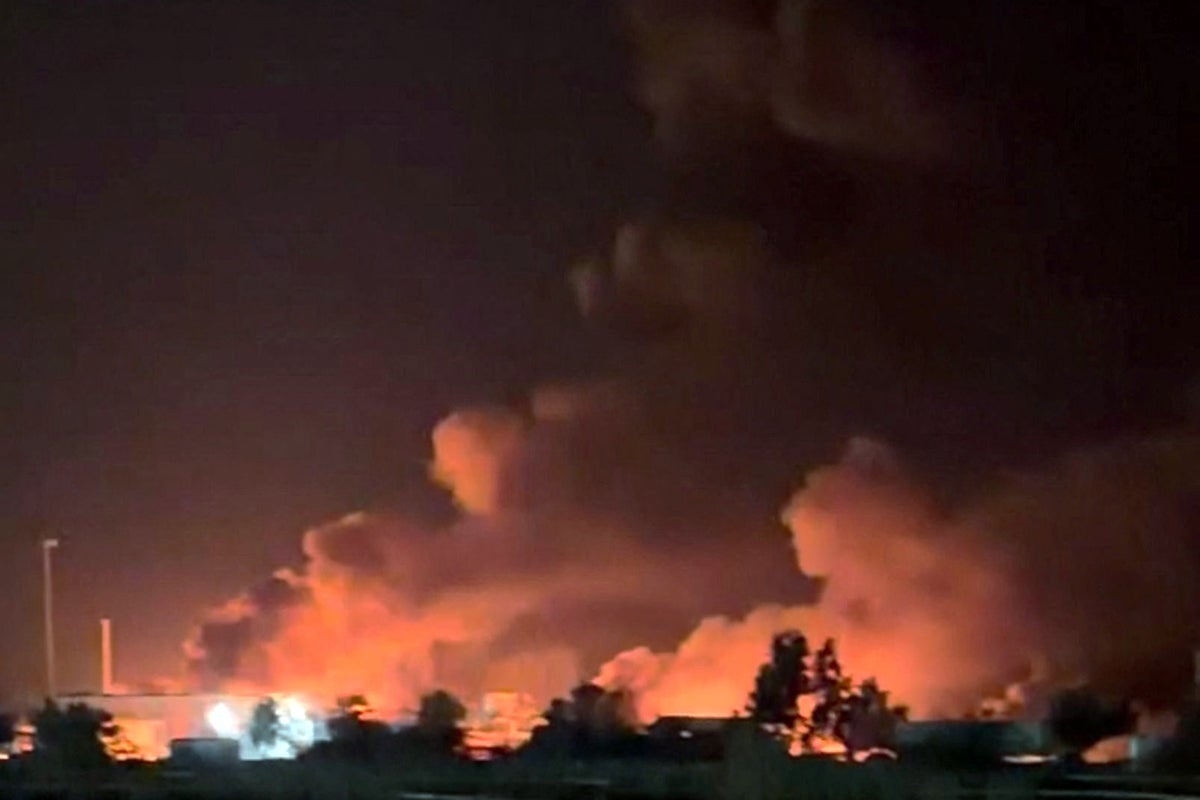
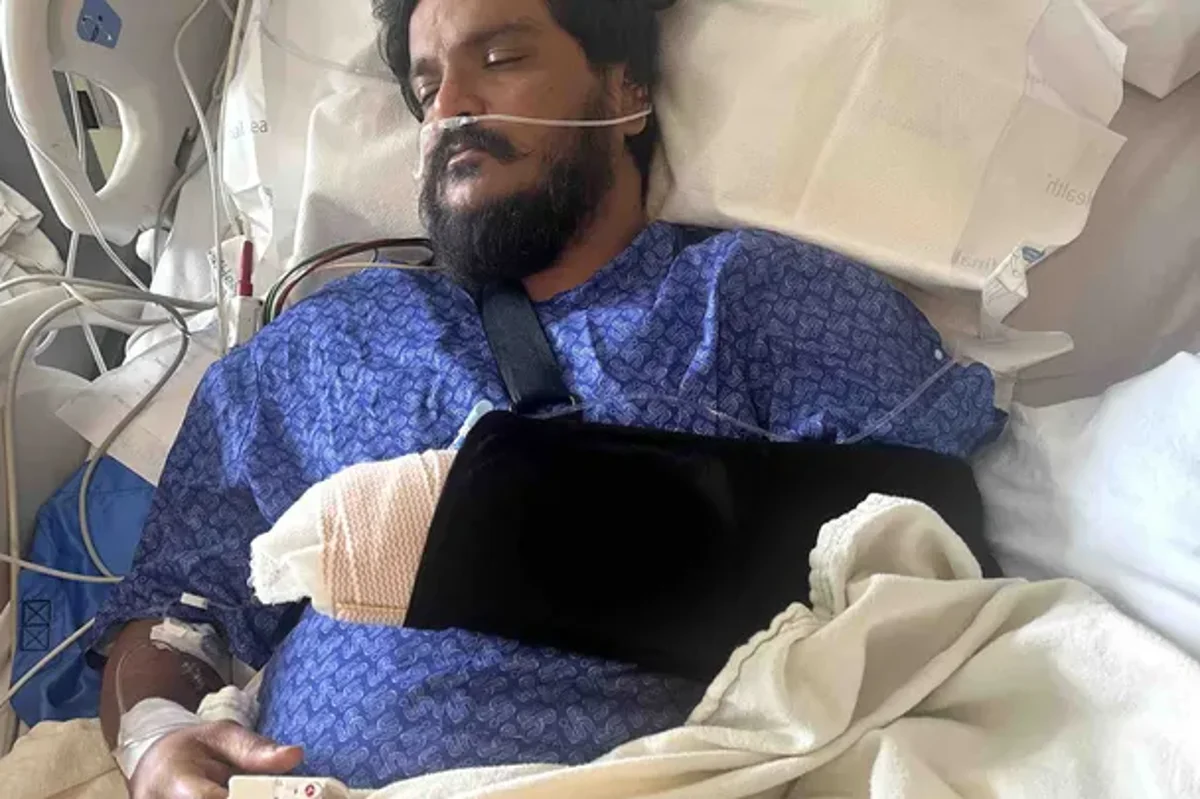
Thirty-two people are dead. Fifteen are fighting for their lives in intensive care units across Bangkok. These aren't just statistics. They're the horrific result of a night out turned into a living nightmare at the Rong Beer Na Lat Phrao pub in northern Bangkok.
If you've spent any time in Thailand, you know these venues. They are loud, crowded, and full of energy. But behind the neon lights and cheap beer lies a systemic failure of safety that keeps claiming lives. The July 12 blaze isn't an isolated accident. It's a symptom of a much larger, darker issue in the city's nightlife scene.
We need to talk about why this keeps happening, what actually went down inside that burning building, and how you can protect yourself the next time you walk into a crowded venue.
The Night the Music Stopped
It was just before midnight on a Sunday. The Rong Beer Na Lat Phrao pub in Chatuchak was packed. People were drinking, laughing, and listening to live music.
Then, the air changed.
A musician on stage noticed a burning smell and saw white smoke drifting from a ceiling-mounted air conditioner and a nearby circuit breaker. Many patrons didn't even realize what was happening at first. Some thought the smoke was just dry ice from the stage effects.
It wasn't.
Within seconds, the power cut out. The entire venue was plunged into pitch-black darkness. What followed was a sudden, violent explosion. A horizontal wall of fire ripped through the room.
Timeline of the Disaster:
23:50 – Smoke noticed near stage circuit breaker
23:55 – Power grid fails; room goes dark
23:56 – Explosion and rapid fire spread
23:57 – First emergency call received
00:30 – Fire finally brought under control
The fire spread with terrifying speed. The ceiling was lined with cheap, highly flammable acoustic foam designed to keep the music from bothering the neighbors. Instead, that foam became a super-fuel. It didn't just burn. It melted, raining drops of fire down on the screaming crowd below while releasing a thick, toxic black cloud of carbon monoxide and cyanide gas.
The Bathroom Trap and Blocked Exits
When a building goes dark and fills with smoke, human instinct is to run. But where?
In a dark, unfamiliar room, finding an exit is incredibly hard. Many patrons became completely disoriented. They ran away from the flames at the front stage, heading toward the back of the building.
They ended up in the bathrooms.
The bathrooms were windowless, concrete traps. Dozens of people crowded into them, likely hoping the water or the enclosed space would protect them from the heat and smoke. It didn't. Most of the victims recovered by rescue workers were found clustered in these restrooms. They didn't burn to death. They suffocated in the dark.
Some survivors report that a back exit was open and a security guard was trying to guide people out with a flashlight. Others, including city officials, point out that emergency exits were severely compromised. Beer crates blocked one exit near the kitchen, and heavy tables blocked another.
When hundreds of panicked people are pushing toward a single door in the dark, even a minor obstruction becomes a death sentence.
This Story is Getting Old
We've seen this exact movie before.
In 2009, the Santika Club fire in Bangkok killed 66 people on New Year's Eve. The cause? Indoor fireworks, flammable soundproofing, and locked emergency doors.
In 2022, the Mountain B pub fire in Chonburi killed 26 people. The cause? An electrical short circuit, highly flammable acoustic foam, and blocked exits.
Now, in 2026, we have the Rong Beer Na Lat Phrao fire. The cause? An electrical short, acoustic foam, and blocked exits.
Notice a pattern?
Every time this happens, politicians express deep shock. They promise sweeping reforms. They vow to run random inspections. But the reality is that the Rong Beer Na Lat Phrao pub actually passed a safety inspection in April. How does a venue with blocked fire exits and highly flammable ceiling materials pass an inspection?
The answer is simple. Corruption, lax enforcement, and a culture of cutting corners.
Many of these venues operate under incorrect licenses. This pub was originally registered to host live music and serve alcohol, but the registration was later quietly changed to just "restaurant". Restaurants face much weaker safety scrutiny than nightclubs or live music halls, even if they operate exactly like a nightclub. It's a massive legal loophole that venue owners exploit daily.
The Insult of Minimal Compensation
The aftermath of these tragedies is often just as heartbreaking as the event itself.
On Wednesday, grieving families gathered at the Phahonyothin Police Station to collect the scattered belongings of their loved ones. Phones left behind on the night of the fire were still ringing, with worried relatives calling from distant provinces.
Kanticha Singkhon, 25, went to the station to pick up her deceased mother's handbag. She is now entirely responsible for her younger brother.
A lawyer representing the pub's owners announced that families would receive an initial compensation payment of 10,000 baht. That is roughly $300.
"It's not enough money for a funeral — I had to take a loan to arrange my mom's funeral," Kanticha told reporters.
Paying $300 for a lost life is a slap in the face. It shows how cheap life can be in the eyes of businesses that prioritize profit over the most basic human safety.
How to Spot a Deathtrap Venue
You can't rely on local governments to keep you safe. You have to do it yourself. The next time you walk into a pub, bar, or club—whether in Bangkok or anywhere else in the world—take thirty seconds to run this mental safety check.
- Look for the green signs. Before you sit down or order a drink, locate at least two ways out. If you only see the front entrance, that's a massive red flag.
- Inspect the exits. Walk past the emergency doors. Are they chained shut? Are they blocked by stacks of beer boxes, spare chairs, or band equipment? If they are, leave immediately.
- Check the ceiling. Do you see thick, dark foam panels glued to the walls or ceiling? That's acoustic foam. Unless it is explicitly rated as fire-retardant (which cheap venue foam rarely is), it's highly flammable.
- Avoid the crowd bottleneck. If a venue is so packed that you can't easily walk through the crowd, imagine trying to navigate it in pitch darkness while choking on smoke.
- Never hide in a bathroom. If a fire breaks out, do not run to the restroom. They are windowless oxygen-depleted traps. Keep moving toward the outside, even if you have to push through smoke or heat.
Take control of your own safety. Don't assume the venue owners have done it for you.
Keep your eyes open, know your exits, and if a place feels unsafe, walk out. Your life is worth more than a cheap drink.