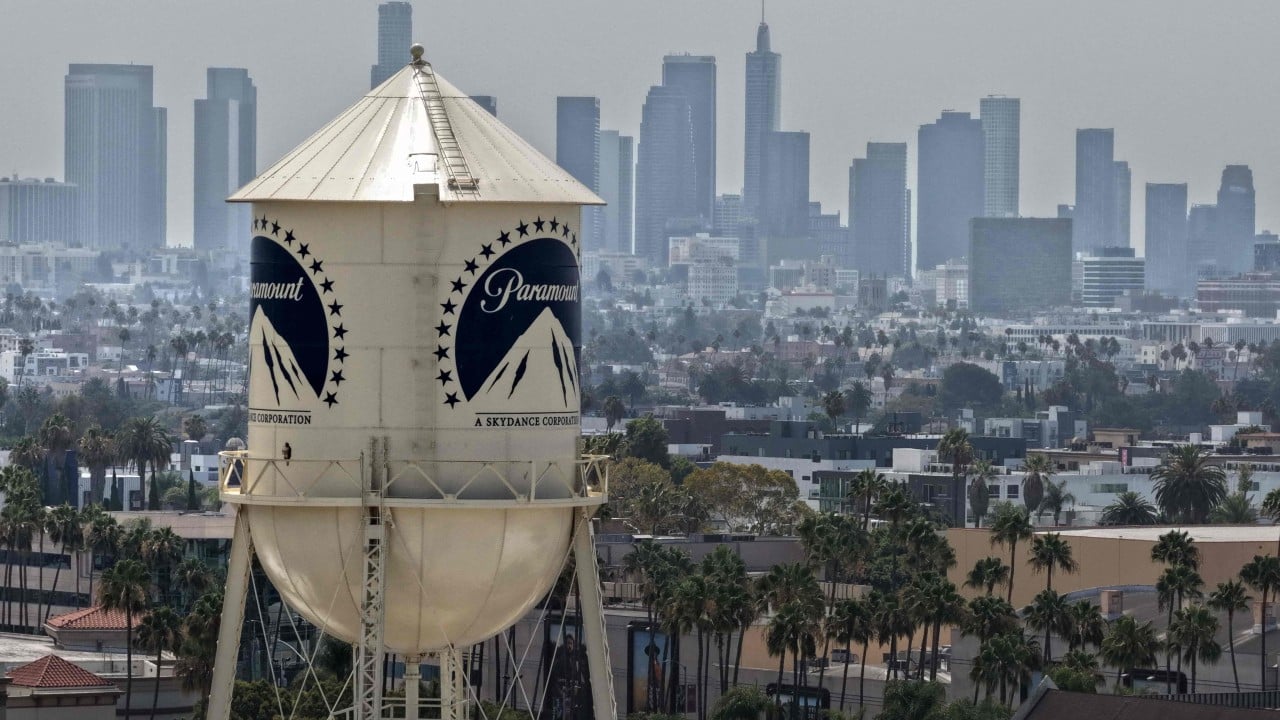
Hollywood just hit a massive speed bump, and the ripples are going to shake the entire entertainment industry for years.
Federal Judge Araceli Martínez-Olguín issued a 14-day temporary restraining order halting Paramount Skydance's ambitious $110 billion acquisition of Warner Bros. Discovery. The order effectively freezes one of the largest media consolidations in history right before it crossed the finish line.
If you thought this merger was a done deal after federal regulators gave it a green light last month, think again. A coalition of 12 state attorneys general, led by California Attorney General Rob Bonta, stepped up to stop it in its tracks.
Here's what really went down in court, why state prosecutors are stepping in where federal agencies backed off, and what this high-stakes legal standoff means for streaming bills, movie theaters, and the future of creative work.
What the Federal Judge Actually Ruled
Judge Martínez-Olguín didn't kill the deal permanently—at least, not yet. Instead, she granted a short-term injunction that prevents Paramount and Warner Bros. Discovery from closing their transaction until at least August 3, 2026, when a full hearing on a preliminary injunction takes place.
The legal reasoning was sharp and direct. In her order, the California federal judge noted that the states presented compelling evidence regarding market concentration. Based on the combined entity's sheer share of the wide-release theatrical market alone, the court held that the deal is presumptively likely to violate federal antitrust law under the Clayton Act.
For the next two weeks, Paramount and Warner Bros. must continue to operate as separate, competing businesses.
It seems like a brief delay on paper. In reality, every single day this deal stalls costs Paramount real money and creates immense friction.
The Financial Pressure and the $7 Million Daily Clock
Time is the ultimate enemy in mega-mergers of this scale.
To win over Warner Bros. shareholders during a heated bidding war against streaming giants like Netflix, Paramount agreed to strict timeline commitments. That included a ticking fee clause.
If the transaction fails to close by late September, Paramount faces severe financial penalties—to the tune of roughly $7 million per day (or about $650 million per quarter) paid directly to Warner shareholders.
Financial Stakes at a Glance:
- Total Deal Valuation: ~$110 Billion
- Temporary Restraining Order Duration: 14 Days (Hearing on Aug 3)
- Daily Delay Penalty: ~$7 Million / day starting after September 30
- Quarterly Penalty Cap: ~$650 Million / quarter
The Ellison family, which controls Paramount Skydance, wanted to lock this buyout up quickly. Now, their legal team has to clear a massive court obstacle while watching an expensive clock run down.
Why 12 States Are Fighting When Washington Stood Down
The most fascinating dimension of this court battle is who is bringing the fight.
Normally, the Department of Justice or the Federal Trade Commission leads the charge on mega-merger enforcement. However, federal antitrust officials approved the $110 billion deal in June without demanding structural breakups or major sell-offs.
State attorneys general aren't bound by Washington's decisions.
A dozen state prosecutors—representing California, New York, Washington, Oregon, Arizona, Colorado, Connecticut, Massachusetts, Minnesota, Nevada, New Jersey, and New Mexico—filed their own antitrust lawsuit. They argue that federal authorities dropped the ball on protecting state economies and local creative workers.
The Core Antitrust Allegations
The state lawsuit centers on three main structural arguments:
- Theatrical Film Monopoly: Combining Paramount Pictures and Warner Bros. Pictures puts roughly 27% to 35% of all wide-release movie distribution under one corporate roof. That gives a single boardroom unmatched leverage over theater owners regarding screen allocations and box-office splits.
- Basic Cable Control: Merging CBS assets with Warner's cable portfolio (including TBS, TNT, and CNN) creates a massive block that commands over a quarter of basic cable channel licensing fees. Pay-TV distributors will have almost zero bargaining power against price hikes.
- Depressed Talent Pay: Fewer major studios mean fewer bidding wars for original scripts, directors, actors, and crew. Labor groups fear compensation cuts across Hollywood.
California AG Rob Bonta summarized the coalition's position clearly, calling the ruling a critical first victory to ensure market concentration doesn't stifle industry choice.
How This Impact Movies, Streaming, and Cable Bills
If you watch movies or subscribe to streaming platforms, this legal battle directly impacts your wallet and your viewing options.
Consolidation sounds like abstract business strategy until you look at how media companies recoup massive acquisition costs. They cut costs and raise prices.
Streaming Consolidation Concerns
Combining Max (formerly HBO Max) with Paramount+ would create a massive streaming service. While combining libraries sounds convenient, market concentration usually leads to higher monthly subscription rates.
Without direct competition between Max and Paramount+, consumers lose alternative pricing tiers and promotional discounts.
The Future of Cable and News Outlets
The merger would also bring two iconic broadcast and news organizations under common control: CBS News and CNN. Journalists and media analysts have raised serious concerns about potential newsroom consolidations, job cuts, and editorial streamlining.
On the cable bill front, cable operators would likely pass along higher licensing costs directly to subscribers, making monthly TV bills even more expensive.
What Happens Next at the August 3 Hearing
All eyes now turn to the critical August 3 court date.
Judge Martínez-Olguín will evaluate whether to convert the temporary pause into a full preliminary injunction.
If the judge grants a preliminary injunction, it could freeze the acquisition for months or years while a full trial takes place. In the world of high-stakes corporate buyouts, a prolonged injunction usually acts as a death sentence for the deal. Paramount might decide the legal risk and daily penalty fees are simply too high to justify staying the course.
On the other hand, if Paramount's legal team convinces the judge that their promises to release 30 theatrical movies a year and maintain open distribution are enforceable, the temporary halt could be lifted.
Practical Action Steps for Investors, Creators, and Consumers
With high volatility in the media space, here is how you should navigate the fallout right now:
- For Entertainment Investors: Watch Warner Bros. Discovery (WBD) and Paramount stock closely leading up to August 3. Expect heightened volatility. If the injunction is extended, focus on whether Paramount's ticking fee liabilities kick in by late September.
- For Hollywood Creatives and Freelancers: Don't bank on immediate project greenlights from either studio during this holding pattern. Keep pitches diversified across independent studios like A24, Lionsgate, or tech-backed streamers while corporate budgets remain frozen.
- For Streaming Consumers: Lock in annual streaming plans for Paramount+ or Max now if you want to avoid potential price adjustments or bundle restructuring that could follow any future court decisions.
The fight over the future of Hollywood is far from over, but for the next two weeks, the states have halted the biggest media deal of the decade.