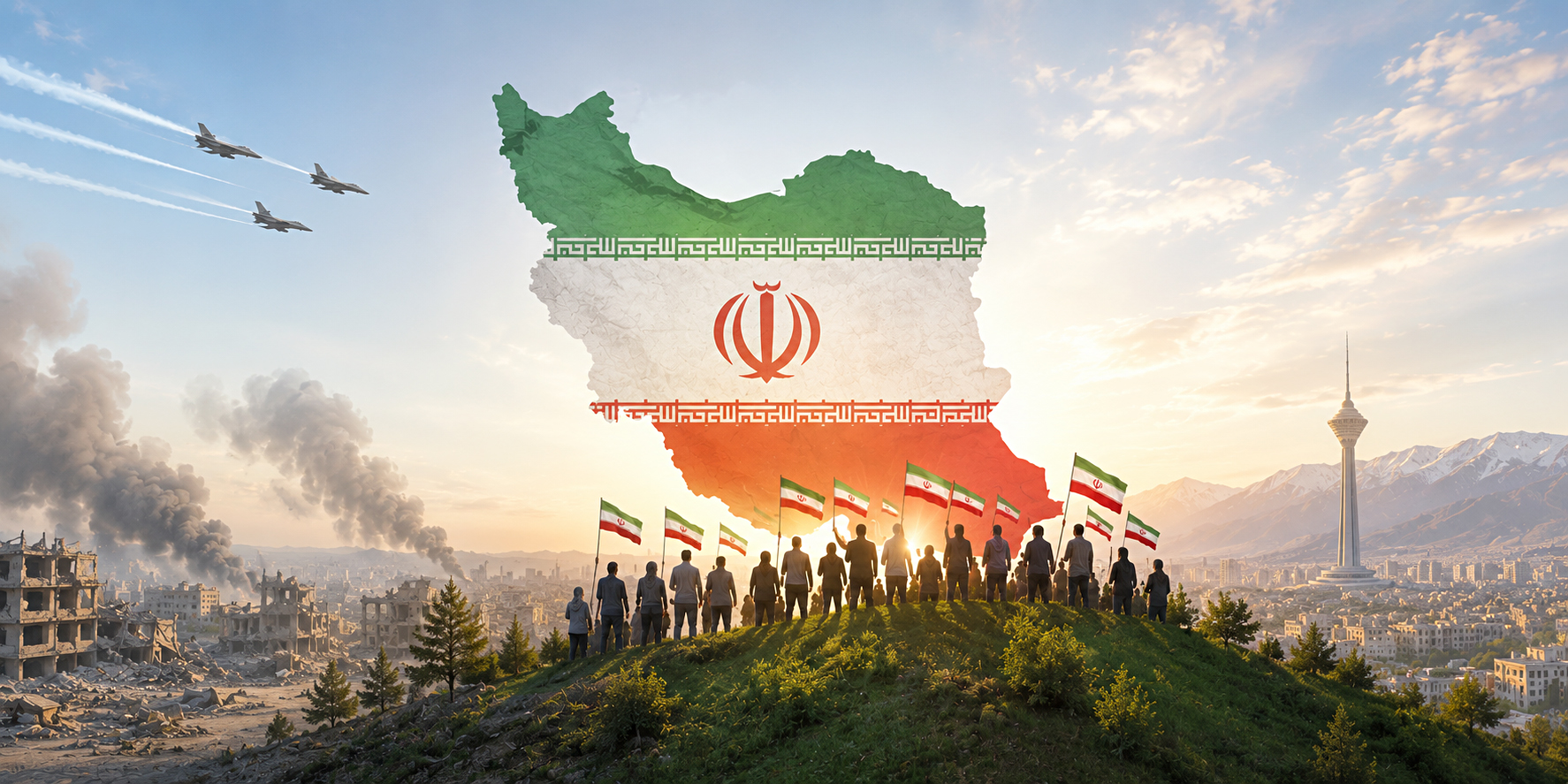
The global energy supply is choking again. If you think the recent truce between Washington and Tehran bought the world some peace, you're wrong. A brutal game of chicken is playing out in the Middle East, and the latest escalation centers around a narrow strip of water that controls a massive chunk of the world's economy.
The U.S. military just wrapped up its fifth round of airstrikes against Iranian targets this week. These weren't minor warning shots. U.S. Central Command deployed fighter jets, warships, and drones to smash through more than 140 targets in a single night. They hit missile sites, coastal surveillance stations, and the fleet of fast-attack small boats that Iran uses to terrify commercial shipping. Don't miss our earlier article on this related article.
Why is this happening now? It comes down to who calls the shots in the Strait of Hormuz. Washington demands total, unrestricted freedom of navigation through an international waterway. Tehran insists it has the right to dictate routes, halt vessels, and collect transit fees. Neither side wants to back down, and the fragile interim ceasefire signed just a few weeks ago is practically dead.
The Illusion of the June Ceasefire
To understand how we got to this point, you have to look back at the chaos of early 2026. A massive military conflict erupted in late February following heavy U.S. and Israeli airstrikes that killed Iran's former supreme leader. The war effectively shut down the strait, sent oil prices skyrocketing, and battered the global economy. If you want more about the background of this, TIME provides an excellent summary.
On June 17, the U.S. and Iran signed a temporary Memorandum of Understanding. It was a fragile, 60-day band-aid designed to pause the active war, reopen the shipping lanes, and get both sides talking about a permanent settlement. Under that deal, Iran agreed to let commercial vessels pass without harassment, and Washington temporarily eased some restrictions, even allowing Iran to sell oil on the international market for U.S. dollars.
It looked like a breakthrough. It wasn't.
The deal left a massive, unresolved question. Who actually regulates the traffic?
The Trump administration assumed reopening the strait meant returning to the status quo, where international shipping lanes are governed by global maritime treaties. Tehran had a different idea. The Iranian government viewed the truce as an acknowledgement of their total sovereignty over the waterway. They expected everyone to play by their new rules.
Only 25 days passed before the whole arrangement fell apart.
The Spark That Ignited the Current Strikes
The immediate trigger for this week's heavy bombing happened out on the water. On Saturday, naval forces belonging to the Islamic Revolutionary Guard Corps targeted the M/V GFS Galaxy, a Cyprus-flagged container ship making its way through the region.
Iran claimed the ship ignored explicit warnings and veered into an unauthorized route near the coast of Oman. IRGC officials state they fired warning shots and forced the vessel to a halt because it turned off its onboard tracking systems, putting other maritime traffic at risk.
The Pentagon saw it differently. They called it a blatant, unprovoked assault on a civilian commercial vessel. The attack disabled the ship's engine room, sparked a fire, and left at least one crew member missing.
Hours later, the IRGC announced that the Strait of Hormuz was officially closed until further notice, warning that no vessels would be permitted to pass until U.S. interference in the region ended.
Washington struck back immediately. U.S. Defense Secretary Pete Hegseth summed up the administration's stance bluntly, stating that Iran made a poor choice and now they have to pay.
The American retaliation has been relentless. The initial wave hit around 140 targets across southern Iranian hubs, including the port city of Bandar Abbas, Qeshm Island, and coastal areas in Bushehr and Sirik. On Sunday, U.S. forces launched yet another round of strikes after detecting Iranian forces firing at more commercial traffic. U.S. aircraft even shot down an active Iranian cruise missile and an attack drone mid-flight.
The Secret Battle Over Shipping Routes
The core disagreement isn't just about military posturing. It's about geography and money.
Iran created a new entity called the Persian Gulf Strait Authority. Through this group, Tehran wants to force all commercial vessels to follow specific corridors that run closer to Iranian shores. They want to inspect cargo, track manifests, and eventually charge substantial transit tolls for every vessel passing through.
The U.S., the U.S. allies, and regional partners like Qatar and the UAE flatly refuse to accept this. They argue that the strait is an international waterway where free passage is protected by international law.
Because of the threat from Iranian shore batteries, many commercial operators have started hugging the southern edge of the strait, utilizing routes that sit closer to Oman's coast. Iran is trying to shut this practice down. They claim that any ship using the Oman route without Tehran's direct approval is violating maritime safety.
This tracking dispute explains why three separate merchant tankers were struck by projectiles and drones earlier in the week. One Qatari liquefied natural gas tanker, the Al Rekayyat, was among those hit, sparking fury from Doha, which holds Tehran legally responsible for disrupting energy security.
Iran Strikes Back at Regional U.S. Allies
Tehran isn't just taking the American punches sitting down. They've launched a series of retaliatory missile and drone salvos, but instead of targeting the U.S. mainland, they are going after the regional infrastructure that keeps American forces operational.
Iranian forces targeted the Al Udeid Air Base in Qatar with ballistic missiles. They also launched a surprise strike against the Port of Duqm in Oman, hitting logistical support facilities and refueling platforms that service American aircraft carriers and warships.
The retaliation has spread across the Persian Gulf, with drone and missile alerts keeping military forces on high alert in Jordan, Bahrain, Kuwait, and the United Arab Emirates. Security threat levels in Qatar were raised multiple times on Sunday after loud explosions echoed across parts of Doha, proving that the conflict is bleeding far beyond the coast of Iran.
What the U.S. Aims to Achieve
The White House is playing a dangerous game of escalation to force a diplomatic capitulation. By launching hundreds of strikes, the military wants to severely degrade the IRGC's coastal capabilities so they physically lack the tools to threaten ships.
The U.S. strikes focused heavily on destroying:
- Coastal radar installations that track commercial tankers.
- Missile storage bunkers and mobile launchers hidden along the cliffs.
- The command-and-control networks used by the IRGC navy.
- Over 60 small, fast-attack boats that swarm larger vessels.
The financial pressure is back, too. Right after the first tankers were hit, the U.S. Treasury revoked the special license that allowed Iran to sell its crude oil openly on the global market for dollars. This instantly cuts off Tehran's freshly restored revenue stream.
Behind closed doors, the diplomatic situation is weirdly complicated. U.S. officials claim that some Iranian representatives privately sent messages through Omani mediators suggesting the attacks on commercial ships were a mistake. They blamed the incidents on rogue, hardline elements within the IRGC who are actively trying to destroy the peace talks.
The Trump administration isn't accepting that excuse. Washington demands that Iran make a public statement guaranteeing that the strait is open and that all state-backed attacks on shipping will stop for good.
What Happens to Your Wallet Next
You can't close the world's most important energy chokepoint without feeling the shockwaves at home. Roughly 20% of the world's petroleum and liquefied natural gas flows through this narrow gap.
Oil markets are already reacting. Asian markets saw an immediate spike in crude prices as the news of Sunday's strikes broke. If the strait stays closed for more than a few days, shipping companies will have to reroute their tankers all the way around Africa. That adds weeks to transit times, burns millions of gallons of extra fuel, and causes a massive spike in global shipping costs.
For the average consumer, this translates directly to higher prices at the gas pump and increased costs for basic goods. It also puts intense pressure on political leaders in Washington, who are trying to balance military deterrence with the reality of an angry electorate facing rising inflation.
The Next Critical Steps
The situation is moving fast, and the risk of a full-scale regional war is higher than it has been all year. Watch these specific indicators over the next 48 hours to see where this crisis goes.
Keep a close eye on insurer behavior. If maritime insurance syndicates completely withdraw coverage for the Persian Gulf, all commercial traffic will stop, regardless of whether the U.S. says the lanes are open.
Watch for the deployment of additional international naval assets. The U.S. is pushing its coalition partners to send more warships to escort commercial vessels through the channel, a move that could lead to direct naval skirmishes.
Monitor the official statements out of Tehran. Look to see if the central government backs the IRGC's total closure declaration or attempts to walk it back to salvage what is left of their oil export permits.