Diplomacy is officially dead in the Middle East. If you wanted proof that the backchannel talks have collapsed completely, you just have to look at what dropped on social media from Tehran.
Mohsen Rezaei, a senior military advisor to Iran's Supreme Leader Ayatollah Seyyed Mojtaba Khamenei and a top commander in the Islamic Revolutionary Guard Corps (IRGC), didn't mince words. He posted a warning stating that if the United States continues its military campaign, Iran will shift from limited retaliatory strikes to an offensive strategy of "full-scale invasion and annihilation".
This isn't the usual state-media bluster. We're looking at a severe rhetorical escalation that comes at a moment when Washington and Tehran are trapped in a nightly cycle of kinetic violence.
The Seven Night Trap
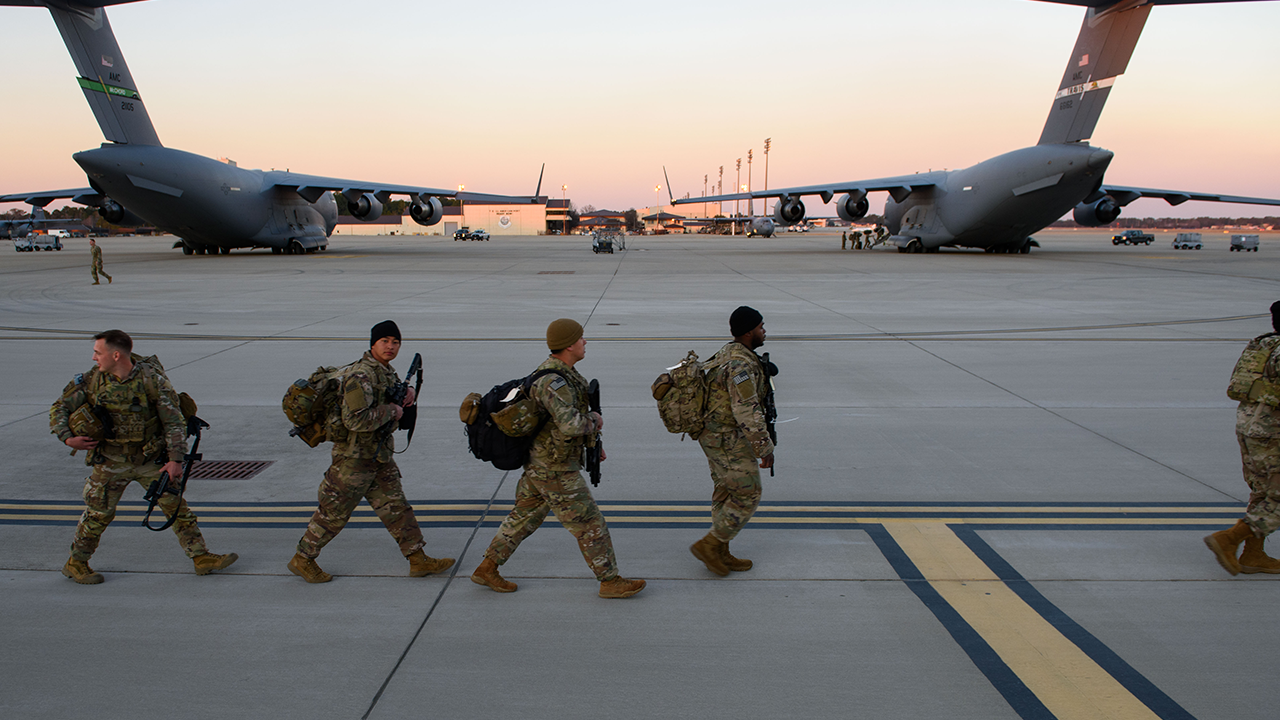
Look at the immediate context. Rezaei’s statement arrived right as the US Central Command (CENTCOM) confirmed its seventh consecutive night of airstrikes inside Iran. Think about that for a second. Seven nights straight of American bombs dropping on Iranian soil, directed by the White House to systematically degrade Iran's military capabilities.
Just hours ago, local state media reported major explosions rocking the city of Sirik in the Hormozgan Province. This is right on the edge of the Strait of Hormuz. The physical reality of the war has caught up to the rhetoric.
"Both diplomacy and negotiations, as well as war, are over; if America continues the war in the next 2-3 days, we will enter the stage of the enemy's 'full-scale invasion and annihilation'," Rezaei wrote.
The phrase "war is over" here doesn't mean peace. He means the phase of structured, limited warfare is spent. By drawing a strict 48-to-72-hour boundary, the Iranian leadership is trying to force Washington to blink.
Why Retaliation in Kind Is Off the Table
For months, the conflict followed an expected, if bloody, script. The US or Israel would strike an asset; Iran would respond with a calibrated missile or drone barrage designed to register defiance without triggering a global conflagration.
Rezaei explicitly stated that Iran is abandoning that playbook.
If they activate this new operational directive, they won't settle for eye-for-an-eye responses. The exact warning was clear: "no political border will provide security against Iran's offensive forces". This is a direct threat to neighboring Gulf states—countries like Bahrain, Kuwait, Qatar, and the UAE—that host American military installations or allow their airspace to be utilized for CENTCOM operations.
Tehran is effectively telling the region that if American jets keep flying out of local bases, those host nations become active combat zones. It's a high-stakes play to get regional players to pressure Washington into calling off the bombers.
The Breakdown of Deterrence
What we're seeing is the absolute failure of conventional deterrence. The Trump administration launched this campaign under the banner of "Operation Epic Fury," seeking to crush Iran's missile infrastructure and naval capacity once and for all. Yet, instead of backing down under the weight of relentless airstrikes, Iran's new, highly volatile leadership council is leaning directly into the chaos.
Remember, this is a state under immense pressure. Following the death of the previous Supreme Leader, Ayatollah Ali Khamenei, the political vacuum in Tehran has been filled by hardliners and the ascendant influence of his son, Mojtaba Khamenei. They've already floated aggressive lists targeting Western leaders. They feel backed into a corner, and a cornered regime with a massive ballistic arsenal rarely behaves predictably.
What Happens Next
The next 72 hours are critical. If CENTCOM holds its course and initiates an eighth or ninth consecutive night of strikes, we'll see whether Rezaei’s warning was an empty bluff or the opening salvo of a regional wildfire.
Watch the shipping lanes. The closing of the Strait of Hormuz has already thrown global energy markets into turmoil. If Iran activates its offensive forces across borders, the threat moves from proxy skirmishes to a multi-front theater involving direct state-on-state engagements.
Keep your eyes closely on the deployment of US naval assets in the region and the public statements coming out of regional capitals like Doha and Muscat. They'll be the first to signal if a wider escalation is truly unavoidable.