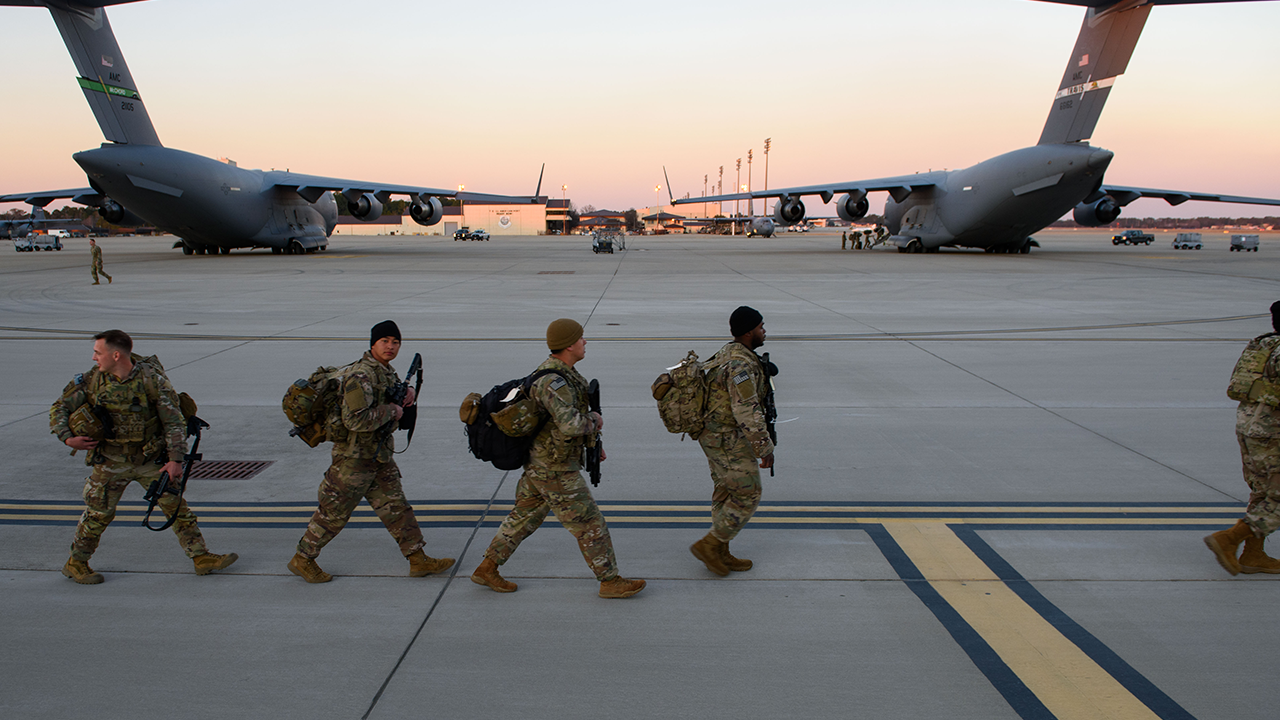
The United States Central Command just wrapped up its seventh consecutive night of intense military operations against Iran. If you think this is just another brief flare-up in the Middle East, you're missing the bigger picture. Washington has quietly shifted its strategy from targeted retaliation to an active naval blockade of Iranian ports, and the regional blowback is hitting American allies hard.
CENTCOM deployed fighter aircraft, armed drones, and warships to pound targets across southern Iran. They targeted underground weapons depots, logistics sites, and coastal surveillance hubs. But the real story isn't just what the US hit; it's how Iran is responding. Instead of backing down under the weight of American precision munitions, Tehran is punching sideways, turning the entire Gulf region into a chaotic shooting gallery.
The Boiling Point in the Strait of Hormuz
This entire crisis erupted after the complete breakdown of a 14-point memorandum of understanding between Washington and Tehran. Once that diplomatic floor collapsed, the US military went on the offensive, attempting to choke off Iran's maritime leverage. Today, over 50,000 American service members are on high alert throughout the theater.
But forcing a naval blockade on a country that specializes in asymmetric warfare is a dangerous gamble. Look at the immediate economic fallout. The Strait of Hormuz, a choke point responsible for a massive chunk of global energy transit, is effectively freezing up. Maritime data shows commercial shipping traffic has plummeted over the last 48 hours. Captains simply refuse to risk their crews and ships in a war zone.
The US goals are clear: destroy Iran’s ability to threaten commercial shipping. The reality? The strategy has achieved the exact opposite by halting the flow of goods entirely.
Iran Strikes Back at US Regional Allies
If Washington expected Iran to keep the fight contained within its own borders, that illusion is shattered. Tehran is aggressively targeting neighboring countries that host US forces, pulling America's regional partners directly into the line of fire.
- Kuwait: Air raid sirens have routinely blanketed Kuwait City. Iranian drone and missile strikes knocked out domestic power and water desalination plants, forcing the government to beg citizens to ration electricity. Commercial flights at Kuwait International Airport were completely suspended.
- Jordan: Jordan's air defenses had to intercept at least 10 Iranian missiles breaching its airspace. Earlier in the week, multiple US service members were wounded when an Iranian strike slammed into a Jordanian base.
- Bahrain: The tiny island nation, which hosts the US Navy's Fifth Fleet, saw its air defense sirens trigger multiple times in a single morning as incoming threats neared.
Tehran's state media is loud about these operations. They claim to have struck the Al Udeid Air Base in Qatar and hit US logistical deployments in Oman and Syria. While CENTCOM explicitly denies Iranian claims of American troop captures or widespread deaths, the sheer volume of incoming fire proves that Iran's proxy and missile networks are far from degraded.
The Blur Between Military and Civilian Tolls
There is a growing, dangerous disparity between what Washington says it's hitting and what's happening on the ground. CENTCOM insists its focus remains strictly on military infrastructure. Yet reports from inside Iran's southern Hormozgan province paint a far grimmer picture.
Local officials confirmed that the latest wave of strikes destroyed vital transportation routes, including two major bridges on the Bandar Abbas-Rudan road. A railway junction and a regional airport were also hit. Iranian state media reports civilian casualties, listing three dead and nearly a dozen wounded in the overnight bombardment.
By flattening dual-use infrastructure like bridges and transport hubs, the US might be trying to freeze internal military movements. Honestly, it mostly looks like it’s paralyzing the local civilian population and giving Tehran a powerful propaganda tool to steel domestic resolve.
Where Does the Escalation End
We're rapidly running out of diplomatic runway. Senior Iranian military figures are openly warning that their strategy is about to shift from reactive defense to absolute aggression. Major General Mohsen Rezaei, a top adviser to Supreme Leader Ayatollah Ali Khamenei, explicitly stated that if American strikes don't stop within days, Iran will initiate full-scale offensive operations. He noted that political borders will no longer offer security to anyone in the region.
The US is dug in. Iran refuses to bend. With shipping lanes closed, regional infrastructure crumbling, and neighboring Gulf states taking direct hits, the current strategy of nightly bombings isn't containing the threat—it's globalizing it.
If you are tracking logistics, energy markets, or global security, prepare for extended volatility. Monitor the daily shipping transit numbers through the Gulf, keep an eye on sovereign airspace closures across the Middle East, and expect energy supply chains to seek expensive, long-term detours around the Cape of Good Hope. The status quo is gone.