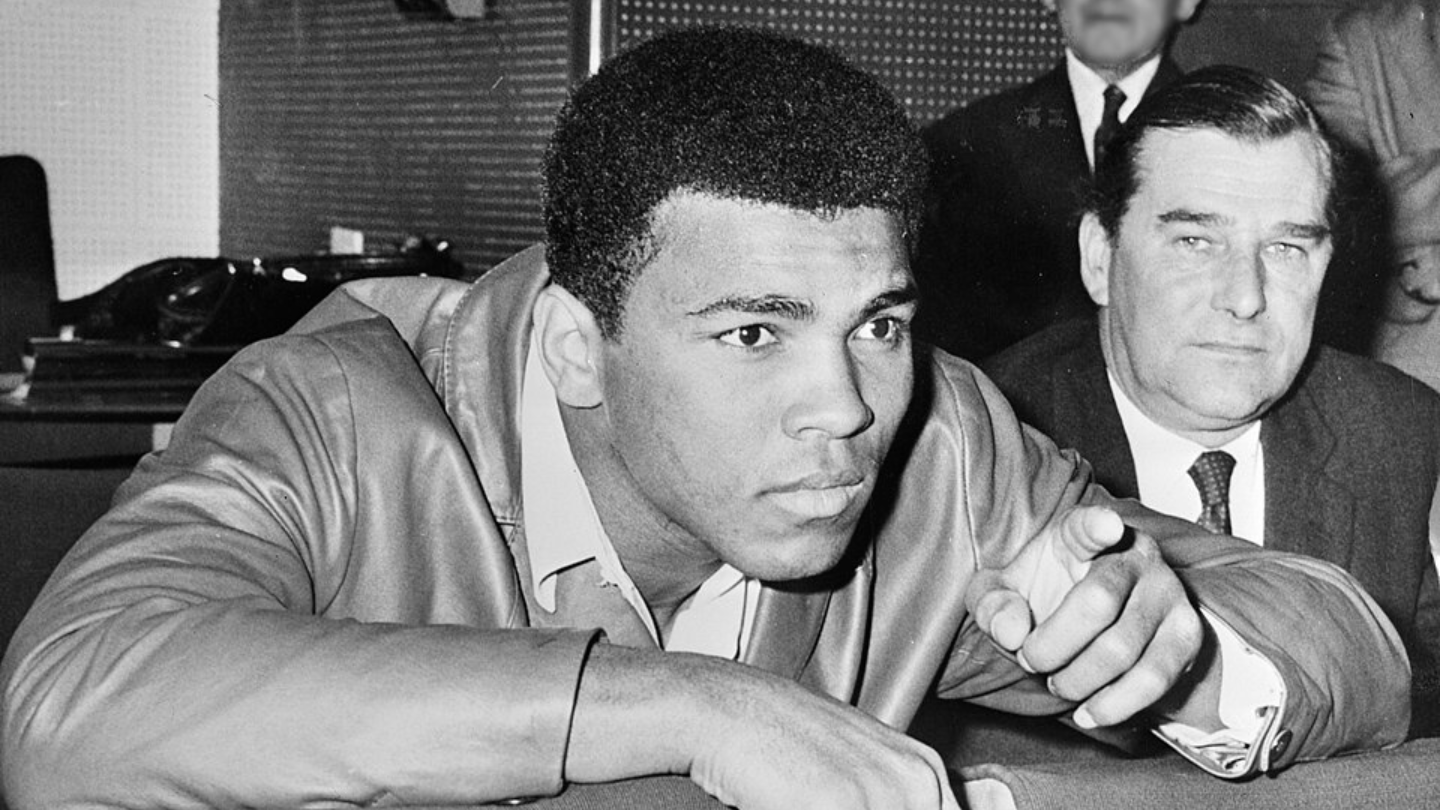
We all know the booming voice of Muhammad Ali. He was the man who shouted "I am the greatest!" from the rooftops, rhymed before fights, and commanded global television screens. He made a career out of being impossible to ignore. But away from the cameras and the flashing bulbs, a completely different person existed.
In his 2004 memoir, The Soul of a Butterfly, Ali dropped a line that reframes his entire legacy: "I try not to speak about all the charities and people I help, because I believe we can only be truly generous when we expect nothing in return".
Honestly, it's a bit jarring at first. How does the loudest man in sports history preach quiet humility?
It turns out that Ali understood something most people miss about kindness. True generosity isn't a PR campaign. In a world where every good deed seems to need a selfie and a hashtag to prove it happened, Ali's philosophy hits like a cold bucket of water. He knew that the moment you demand credit for helping someone, you stop serving them. You're just serving your own ego.
The Psychology of Hidden Giving
When you do something nice and instantly post about it, what are you actually chasing? It's usually the dopamine hit of validation. You want people to think you're a good person.
Ali called foul on that mindset. He realized that expecting recognition—even just a simple thank you or a nod of public approval—changes the transactional nature of the act. The moment praise enters the equation, the purity of the kindness evaporates.
It turns out his instincts match modern science. Behavioral psychologists often point out that public accolades can create an "overjustification effect." When you get external rewards for doing something intrinsically good, your internal motivation drops. You start doing the good deed for the applause, not for the person in need.
Ali didn't want the applause for his charity. He already had enough applause from boxing.
What the Public Never Saw
People think of Ali's legacy as the Rumble in the Jungle or the Thrilla in Manila. What they don't see is the staggering amount of work he did when the cameras were off.
He didn't just write checks. He showed up. Ali regularly visited soup kitchens, walked into hospitals without a press crew, and supported organizations like the Make-A-Wish Foundation quietly. During his international travels, he went on quiet diplomatic and humanitarian missions, funding medical aid deliveries and structural relief out of his own pocket.
Ali's Philanthropy Breakdown:
- International: Hostage negotiations, delivering medical aid ($1M+ to Cuba)
- Local: Frequent unpublicized hospital visits, soup kitchen volunteering
- Structural: Multi-decade support for Parkinson's research and youth centers
He didn't bring a media circus along because he didn't need the world to verify his empathy. He used his immense fame to open doors, but he kept his boots on the ground without demanding a headline for every step he took.
The Danger of Performative Kindness
We live in an era of performative empathy. You see it constantly on video platforms—creators filming themselves giving cash to unhoused people or buying groceries for strangers. The camera is always angled perfectly to catch the giver looking heroic.
It feels cheap. Because it is.
When you turn someone else's hardship into content for your personal brand, you're exploiting them under the guise of helping. Ali's rule of thumb protects the dignity of the person receiving help. By keeping the act private, you keep the power dynamic equal. You're just one human being looking out for another, with no audience to judge or cheer.
How to Practice Quiet Generosity Today
You don't need millions of dollars or global fame to implement Ali's philosophy. In fact, it's a lot easier when you aren't being followed by paparazzi.
If you want to strip away the performance and build a genuine practice of kindness, start with these shifts.
- The 24-Hour Silence Rule: The next time you do something kind—whether it's paying for a stranger's coffee, clearing a neighbor's driveway, or making a donation—don't tell a single soul about it for 24 hours. No texts to your partner, no social media posts, nothing. Notice how the internal satisfaction feels when it belongs entirely to you.
- Give Anonymously: If you support local causes or digital fundraisers, check the box that hides your name. Sit with the feeling of knowing you helped change an outcome without needing your name printed on a donor list.
- Focus on Dignity over Documentation: If you're volunteering or helping someone in a vulnerable position, leave your phone in your pocket. Focus entirely on the human connection in front of you.
Ali once famously said that service to others is the rent you pay for your room here on Earth. You don't ask for a trophy just because you paid your rent. You just pay it because it's what keeps a roof over your head. Try letting your next act of kindness be completely invisible. See how much heavier it weighs when nobody is watching.