Europe just admitted its skies are wide open, and it is turning to the one nation that knows how to survive a modern rain of fire.
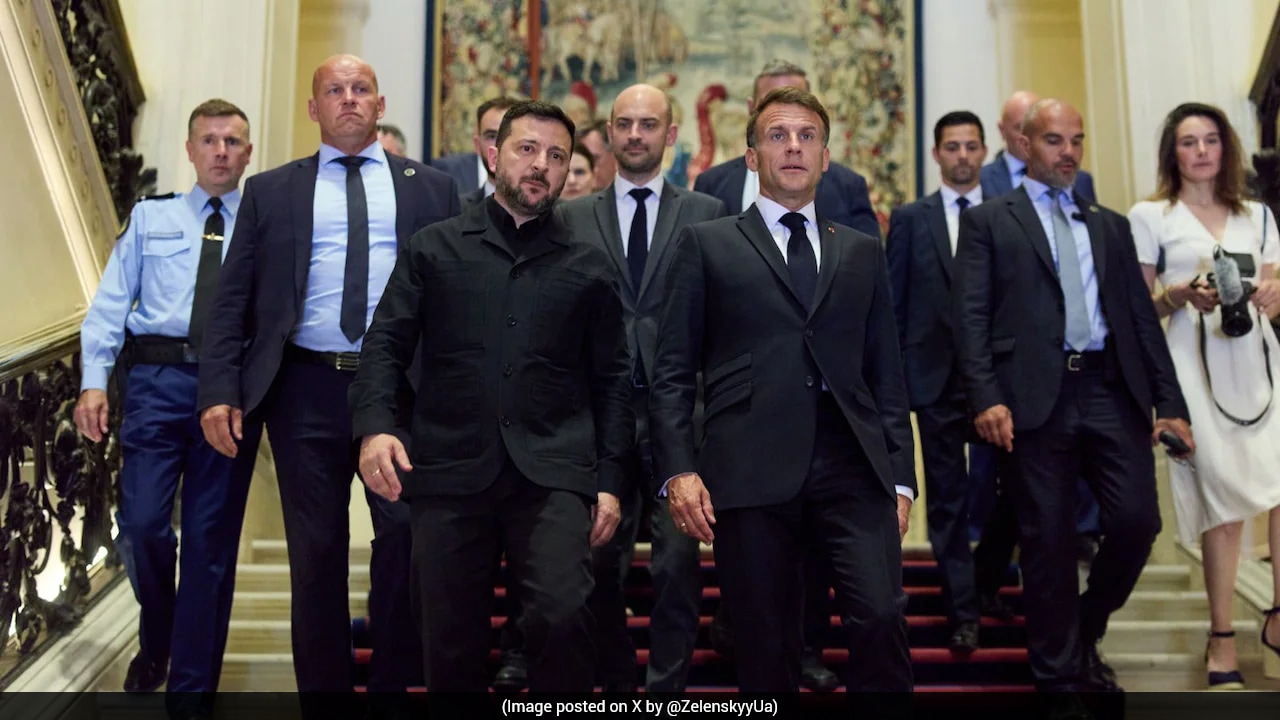
On Monday in Paris, Ukraine and nine European allies shattered years of bureaucratic foot-dragging by forming a dedicated coalition to protect Europe from missiles. This is not just another empty diplomatic declaration signed over expensive coffee. It is a direct response to a terrifying reality. For more than four years, Russia has used Ukraine as a testing ground for an aggressive, sophisticated aerial assault strategy. Now, the rest of the continent realizes they could be next. Recently making news in related news: Why Odesa Still Matters To Ukraine In 2026.
The alliance brings together a heavyweight lineup: Denmark, France, Germany, Italy, the Netherlands, Norway, Spain, Sweden, the United Kingdom, and Ukraine. They want a unified, integrated shield specifically designed to intercept ballistic threats.
If you think NATO already had this covered, you are wrong. The current European defense infrastructure is fragmented, painfully slow, and wildly unprepared for the speed of modern warfare. This new group wants to change that, and they are putting Ukraine’s bloody, hard-won expertise at the very center of the strategy. Additional details regarding the matter are explored by TIME.
The brutal math behind the ballistic threat
Let’s look at why this alliance is happening right now. Most people confuse cruise missiles and suicide drones with ballistic missiles. They are not the same. Drones are slow. Cruise missiles hug the terrain and fly like unpiloted airplanes. You can shoot them down with traditional anti-aircraft guns or shoulder-fired missiles if your troops look up in time.
Ballistic missiles are a different beast entirely.
They rocket straight up into the upper atmosphere or space, then arch back down at hypersonic speeds. By the time they hit the terminal phase of their flight, they are moving so fast that standard air defense systems cannot even track them, let alone stop them.
Ukraine is the only nation on Earth that has spent the last four years actively shooting these weapons down in a high-intensity conflict. Kyiv’s air defense crews have faced a relentless cocktail of Russian Iskander-M ballistic systems, North Korean KN-23 missiles, and air-launched Kinzhal systems. They know exactly how these weapons behave. They know when the radar systems lie to you. They know the precise limits of Western technology under actual combat stress.
Western Europe has none of this operational data. Their generals have only tested systems like the Patriot or the SAMP/T in controlled desert environments or digital simulations. That is why this alliance is a massive win for the West. They are not just helping Ukraine; they are buying access to the most valuable military data on the planet.
Turning the Trump factor into concrete action
The timing of this announcement hinges on a massive political shift in Washington. Just last week, U.S. President Donald Trump made a surprise move by pledging to grant Ukraine a license to domesticly produce Patriot air defense systems.
That changed the entire chess board.
Until that announcement, European nations assumed they would always have to wait in a decades-long line to buy American-made interceptors from Raytheon. Now, the bottleneck might open up. By forming this ten-nation bloc immediately after the American announcement, the European allies are positioning themselves to co-invest in Ukrainian manufacturing hubs.
President Volodymyr Zelenskyy dropped a bombshell proposal during the Paris talks. He claims that within the next 12 months, this new alliance can jointly develop and mass-produce a brand-new, low-cost interceptor system.
Let's be realistic here. Building a brand-new missile defense system from scratch usually takes a decade. Bureaucratic procurement cycles in places like Berlin or Paris are notoriously slow. But Ukraine does not have the luxury of time. Their factories are building long-range strike drones in weeks, not years. If the European partners can inject hard cash and advanced machine tools into Ukrainian facilities while cutting out the usual corporate red tape, they might actually pull off a manufacturing miracle.
The view from the Kremlin
Predictably, Moscow is furious about the new alliance.
Kremlin spokesman Dmitry Peskov wasted no time slamming the Paris meeting, calling the participants a "coalition of warmongers" who are driven by a profound delusion. Vladimir Putin followed up with public threats, promising that any deep strikes on Russian territory would face retaliation that is several times more powerful.
This aggressive rhetoric shows exactly why the coalition is necessary. The Kremlin relies on the threat of its missile arsenal to bully European capitals into submission. If Europe successfully builds an integrated shield that makes those missiles useless, Russia loses its primary tool of geopolitical blackmail.
Moving past the industrial bottleneck
If this alliance wants to succeed, they have to fix the defense industry. Right now, Europe cannot produce enough ammunition or interceptors to save itself.
Western defense contractors prefer building small numbers of incredibly expensive, gold-plated systems because the profit margins are excellent. Ukraine’s war has proven that approach leaves you empty-handed during a prolonged conflict. You cannot fight a war of attrition when your factory produces only twelve interceptor missiles a month and the enemy is firing twenty ballistic weapons a week.
The new group must force a radical shift toward cheap mass production. They need interceptors that cost a fraction of a Patriot missile but can be stamped out by the thousands.
What happens next
The diplomatic handshakes are over. Now the real work begins. If you want to track whether this alliance is actually succeeding or just blowing smoke, watch these three metrics over the coming months.
First, look for real money. Watch whether the defense budgets of the UK, France, and Germany explicitly allocate funding for joint anti-ballistic research with Ukrainian firms before the end of the year.
Second, monitor the supply chain. Watch if Western aerospace components start flowing directly into western Ukrainian production facilities under the new licensing agreements.
Finally, see if other frontline states join the pack. Countries like Poland, Romania, and the Baltic states are incredibly vulnerable to missile paths. If they sign onto this framework within the next six months, it means the initiative has real legs.
Europe has finally realized that relying on a distant American umbrella is a dangerous gamble. Building a self-sustaining missile shield will be painful, expensive, and politically messy. But after years of treating air defense as an afterthought, the continent has finally run out of excuses.