Taxpayers are tired of paying for politicians to live the high life.
It starts with a simple rule designed for emergencies. A massive snowstorm hits Toronto, the roads are completely blocked, and an elected official cannot safely make the drive back home to the suburbs. In a scenario like that, nobody begrudges a politician billing a night at a local hotel to the public purse. It makes sense. It keeps the government running. Don't forget to check out our recent coverage on this related article.
But some politicians in Ontario looked at that emergency safety net and saw a luxury perk.
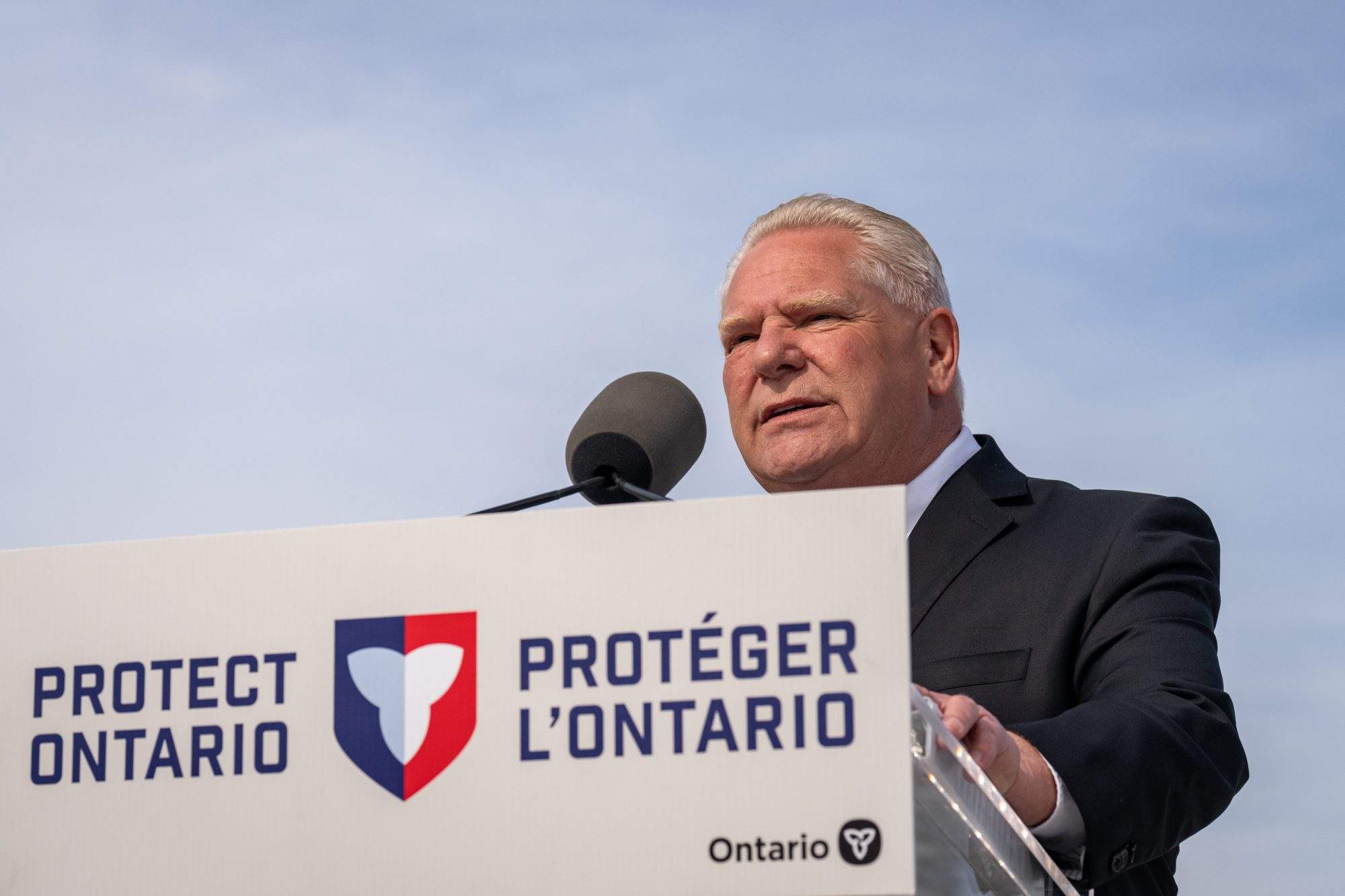
The Doug Ford government is scrambling to kill the very rule that allowed several of its own Toronto-area Progressive Conservative MPPs to bill taxpayers more than $120,000 for overnight hotel stays in downtown Toronto. These are politicians who live within easy driving distance of Queen's Park. In one extreme case, an MPP lived just six kilometres away. To read more about the context of this, The Guardian offers an in-depth breakdown.
The sudden rush to change the rules is not about proactive governance. It is damage control, plain and simple.
Inside the Numbers of the Queen Park Hotel Scandal
To understand why the government is moving so fast to change these rules, you have to look at where the cash actually went. The scale of the spending is breathtaking, especially when you realize who was doing the billing.
At the center of the storm is Stan Cho. He is the Minister of Tourism, Culture and Gaming. More importantly, he represents the north Toronto riding of Willowdale. His home constituency is less than six kilometres from the Ontario Legislature. Yet, public expense records revealed that Cho billed taxpayers over $16,000 for Toronto hotel stays since 2023.
As the public backlash intensified, Cho agreed to repay the full $16,000. He claimed his expenses technically fit the official criteria. Still, the optics were disastrous.
Cho was not a lone actor. He was just the tip of the iceberg.
- Hardeep Grewal represents Brampton East. His riding office sits roughly 40 kilometres from Queen's Park. Since 2022, Grewal managed to rack up more than $27,000 in Toronto hotel expenses. His annual hotel claims jumped from a modest $733 in his first year to over $13,000 in the most recent fiscal year.
- Nina Tangri is the Associate Minister of Small Business. She represents Mississauga-Streetsville. Tangri billed the public for nearly $19,000 in hotel stays.
- Charmaine Williams is the Associate Minister of Women's Social and Economic Opportunity. Representing Brampton Centre, she expensed over $15,000 for overnight stays.
A total of 16 different Toronto-area PC MPPs dipped into this emergency fund. They treated an exception as a regular entitlement.
The Rule That Became a Loophole
How did this happen in the first place? It comes down to the way the Legislative Assembly of Ontario structures travel and accommodation rules.
The baseline rule is straightforward. MPPs who live more than 50 kilometres away from Queen's Park are allowed to claim accommodation expenses in Toronto. This is a practical policy. It allows members from northern Ontario, Ottawa, or southwestern Ontario to stay in the capital while the legislature is sitting without paying out of pocket.
For those who live within that 50-kilometre radius, the rules are supposed to be much tighter. They are only allowed to claim overnight hotel stays in "special or unusual circumstances".
The legislature's own guide explicitly points to a severe snowstorm as a classic example of a special circumstance. It was never meant to be a seasonal accommodation budget.
The Session-Sitting Pattern
When you look at when these hotel rooms were booked, a clear pattern emerges. The vast majority of these "special circumstance" claims did not happen during extreme winter weather emergencies. Instead, they were concentrated during the spring and fall months.
This is exactly when the legislature is in active session.
Rather than driving home to Mississauga, Brampton, or even north Toronto after a long day at the office, these MPPs booked hotels downtown and sent the bill to you. They avoided the daily commute on the taxpayer's dime.
The double standard is even harder to swallow when you look at their executive perks. Several of the highest spenders—including Cho, Tangri, and Williams—are cabinet ministers. This means they already have access to taxpayer-funded vehicles and designated drivers.
They did not even have to drive themselves home. They could have worked from the back of a government vehicle while being driven to their own beds. They chose hotel suites instead.
Scrambling for Political Survival
As soon as the media broke the story, the Ford administration realized it had a massive public relations disaster on its hands.
Ontarians are currently struggling with high inflation, soaring grocery prices, and a brutal housing crisis. Telling working-class families that their tax dollars are paying for local politicians to sleep in luxury downtown hotels is a terrible look.
The response from the Premier’s Office was immediate. They declared that any expenses failing to meet the true spirit of the rules would be paid back.
Shortly after, Government House Leader Steve Clark sent a letter to the Speaker. His goal was simple: eliminate the special circumstances rule entirely for those living near the city.
"The policy itself was not the problem. The problem was that you were abusing the rule, and they know it."
— Marit Stiles, Ontario NDP Leader
Opposition parties were quick to call out the government's sudden pivot. NDP Leader Marit Stiles pointed out that everyone in the legislature knows exactly what "special circumstances" means. Changing the policy is an easy way to hide the behavior, but it does not erase the fact that these MPPs chose to abuse the system in the first place.
Interim Liberal Leader John Fraser compared the spending to a "luxury private jet vibe," arguing that the government had lost touch with regular citizens. Green Party Leader Mike Schreiner was equally blunt, stating that while ordinary people struggle to pay rent, the political class is treating public funds like a personal goldmine.
What Happens Next
The Ford government wants to shut down this conversation by rewriting the rulebook. By removing the "special circumstances" category entirely, they hope to dry up the media coverage and move on.
But true accountability requires more than just changing a line in a policy manual.
If you want to see actual accountability in Ontario politics, there are specific steps that need to happen next.
Direct Audits of All GTA MPPs
Taxpayers deserve a full, independent audit of all travel and accommodation claims made by MPPs who live within the 50-kilometre boundary. We need to know exactly how many nights were billed, which hotels were used, and what justifications were written on the expense forms.
Full Repayment of Abuse
While Stan Cho has committed to returning his $16,000, other high-spending MPPs must follow suit. The Premier's office promised that funds not matching the spirit of the rules would be reimbursed, but they have yet to provide a clear timeline or a transparent list of who has paid what.
Reform of the Board of Internal Economy
The Board of Internal Economy is the quiet, closed-door committee that oversees financial decisions at Queen's Park. They are the ones who ultimately approve these expense claims. This board needs to operate with far more transparency. All expense approvals should be publicly searchable in real-time, not buried in quarterly reports that require investigative journalists to unearth.
Rules are only as good as the people who follow them. When politicians treat emergency exceptions as standard perks, they lose the moral authority to govern. Scrapping the rule is a start, but Ontarians should keep a very close eye on where the next loophole opens up.