The fragile illusion of peace in the Middle East has shattered once again. If you thought the June diplomatic breakthrough in Islamabad had actually put an end to the region's most volatile conflict, the events of this past week have delivered a brutal reality check.
The United States and Iran are locked in a relentless, six-day cycle of tit-for-tat violence. Both sides are trading devastating strikes over the Strait of Hormuz, threatening to drag the entire globe into a catastrophic energy crisis.
This isn't just another routine border skirmish. The collapse of the June 17 ceasefire and the subsequent US and Iran strike exchange represent a dangerous transition into uncharted territory. Washington's reimposition of a strict naval blockade on Iranian ports has met with fierce, asymmetric retaliation from Tehran. As the bombs fall and shipping lanes freeze, we are looking at the very real possibility of an all-out regional war.
The Collapse of the Islamabad Agreement
Just one month ago, diplomats were celebrating a 14-point memorandum of understanding signed in Islamabad, designed to halt the hostilities that began with the US-led air campaign back in February. For a brief moment, it looked like backchannel negotiations had actually worked.
The peace didn't last. The fundamental issues were never resolved.
                    [ June 17: Islamabad MOU Signed ]
                                   │
                     ( Fragile Interim Ceasefire )
                                   │
         ┌─────────────────────────┴─────────────────────────┐
         ▼                                                   ▼
[ July 8: Iran attacks                              [ US demands public guarantee
  commercial vessels ]                                of safe Hormuz passage ]
         │                                                   │
         └─────────────────────────┬─────────────────────────┘
                                   ▼
                 [ Ceasefire Collapses; War Resumes ]
On July 8, the truce dissolved when Iran targeted several commercial vessels transiting the Strait of Hormuz. The Trump administration responded with an ultimatum, demanding that Tehran publicly guarantee safe passage through the strategic waterway as a condition for keeping the peace.
Predictably, Iran refused to bow to the pressure. Within days, the ceasefire was dead, and both militaries went right back to doing what they do best: trading heavy blows.
Inside the Heaviest Strike Exchange in Months
Over the past week, the sheer scale of the military engagement has dwarfed previous flare-ups. U.S. Central Command (CENTCOM) launched a massive aerial campaign, hitting roughly 140 targets across Iran in its heaviest single round of bombardment in months.
According to Defense Secretary Pete Hegseth, the strikes aimed to dismantle Iran's ability to threaten commercial maritime traffic. American forces used advanced sea surface drones to strike a submarine and ship maintenance facility at the Bandar Abbas Naval Base. They also executed a 90-minute wave of strikes against coastal defense and cruise missile sites on Greater Tunb Island.
But Iran is not backing down. Tehran has made it clear that they view the Strait of Hormuz as an invincible red line.
The Iranian military retaliated swiftly:
- Targeting US Allies: Iran launched cruise missiles and suicide drones targeting U.S. military assets and allied nations across the Gulf, triggering air raid sirens in Bahrain, Kuwait, and the United Arab Emirates.
- Striking US Bases: The Islamic Republic claimed successful drone strikes on U.S. fuel depots and communication systems located in Jordan and military facilities in Kuwait.
- Threatening Global Energy: Tehran warned that if Washington targets Iranian infrastructure, Iran's armed forces will crush all energy infrastructure across the Persian Gulf.
The Rhetoric of Control vs the Reality on the Water
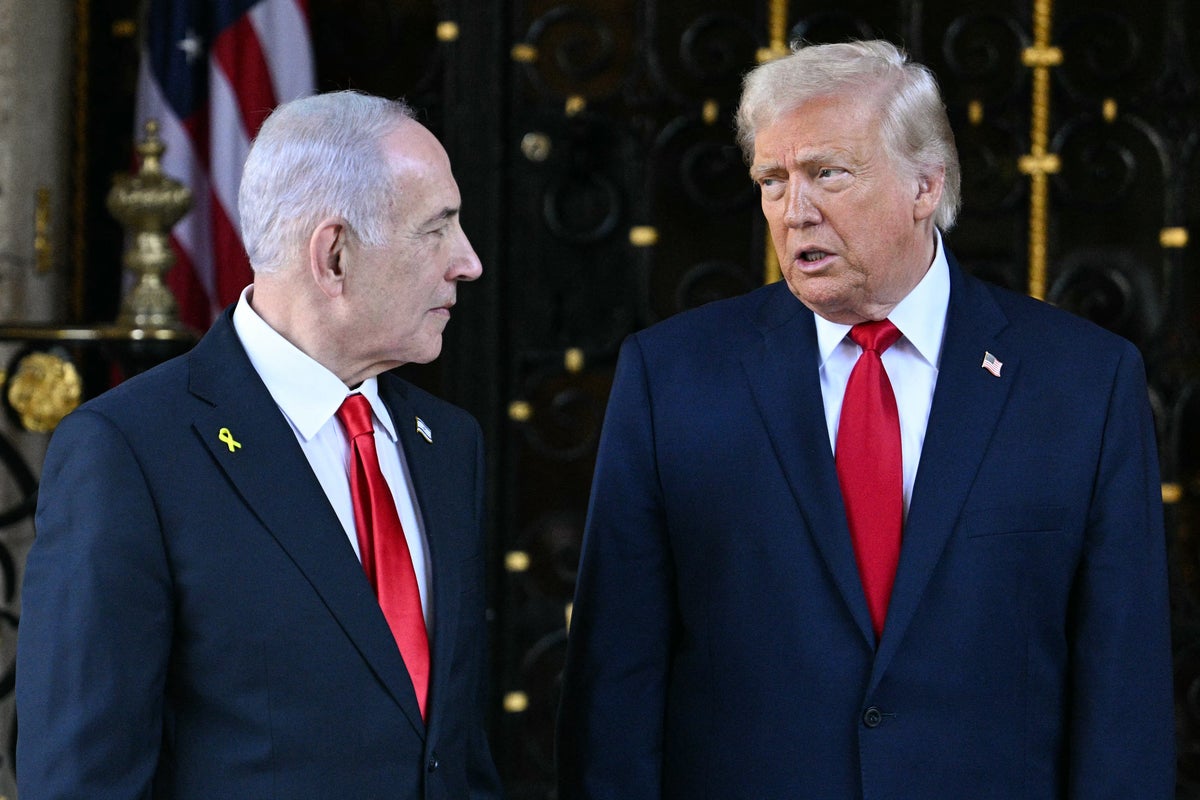
Both nations are desperately trying to project absolute control over the Strait of Hormuz. Trump declared on social media that the U.S. is now "THE GUARDIAN OF THE HORMUZ STRAIT". He went so far as to suggest that the waterway should be renamed the "Strait of America" or "Strait of Trump". He even proposed charging passing commercial ships a 20% toll for American protection, though he later backed away from that plan.
Meanwhile, the Islamic Revolutionary Guard Corps (IRGC) asserts that it holds exclusive authority over the channel. They have demanded that all transiting vessels register with the newly minted Persian Gulf Strait Authority.
The reality on the water is far messier than either side admits.
"You have two highly capable actors. The U.S. has the world's most powerful Navy, while Iran possesses the geographical advantage to disrupt global commerce at will." — Raymond Waid, Maritime Attorney
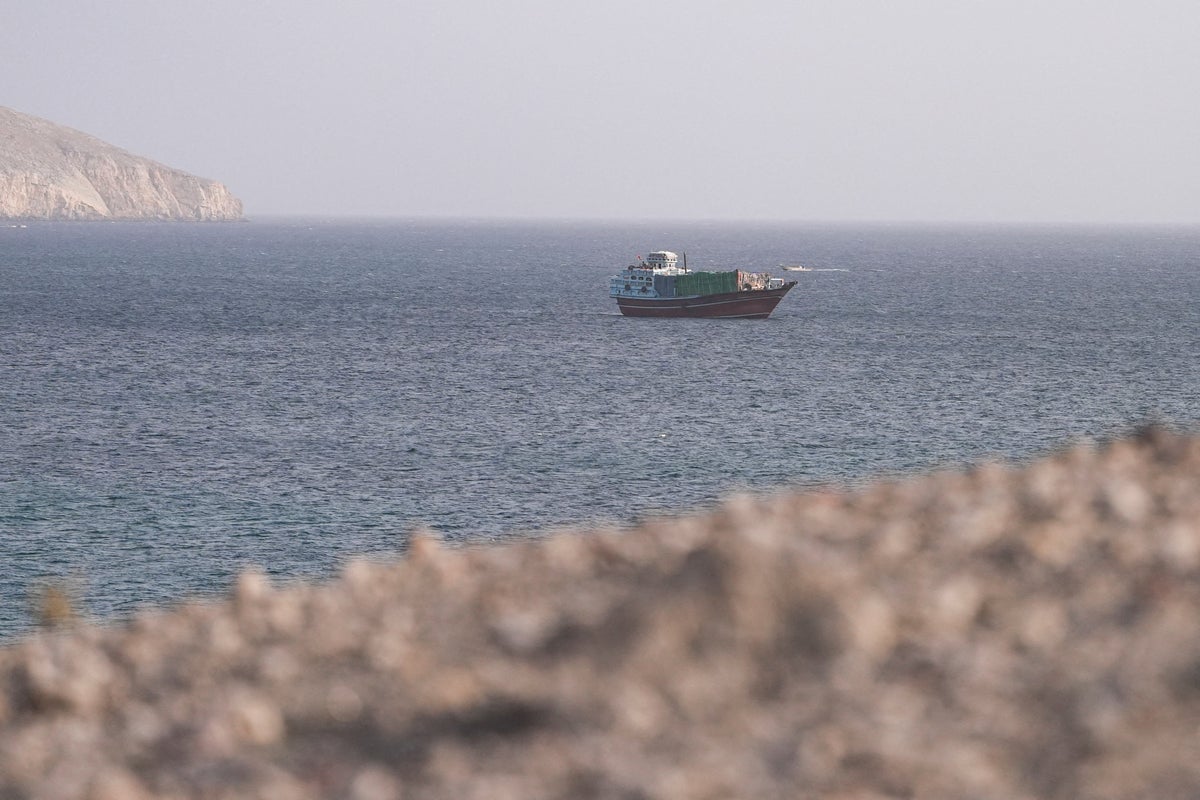
The result is a grinding, agonizing dual blockade. The U.S. Navy is blockading Iranian ports, physically turning back or disabling ships attempting to trade. In response, Iran has mined the central shipping lanes, forcing the few remaining brave mariners to use a southern route along the coast of Oman under U.S. naval escort.
The impact on global trade is catastrophic. Before this conflict, roughly 130 ships transited the strait daily. Today, that number has plummeted by over 50%. Shipping insurance rates have skyrocketed, and the shockwaves are being felt in everything from local gas stations to global fertilizer markets.
Where Do We Go From Here?
The current U.S. strategy appears to be one of controlled escalation—degrading Iran's military capacity without triggering a total regime collapse that could set the entire Middle East on fire. It is a dangerous, razor-thin tightrope walk.
Trump has already threatened to step up the violence next week, warning that U.S. bombers will target Iranian power plants, civilian bridges, and "Pickaxe Mountain"—the heavily fortified underground facility linked to Iran's nuclear program.
If those threats are carried out, any hope of diplomatic mediation by regional actors like Pakistan or Qatar will be permanently dead.
For ordinary citizens and global markets, the immediate steps are clear: prepare for a prolonged period of intense volatility. The most likely path forward is not a sudden peace deal, but a grinding escalation. Energy supply chains will remain strained, transit costs will continue to climb, and a single miscalculated strike on a commercial vessel or U.S. warship could instantly trigger the wider war that everyone claims they want to avoid.