The rules of engagement in West Asia just shattered completely. For nine straight nights, American Tomahawk missiles and fighter jets have been slamming into targets across Iran. This isn't the standard tit-for-tat proxy warfare we've seen for decades. It's an open conflict between Washington and Tehran, and neither side shows any sign of backing down.
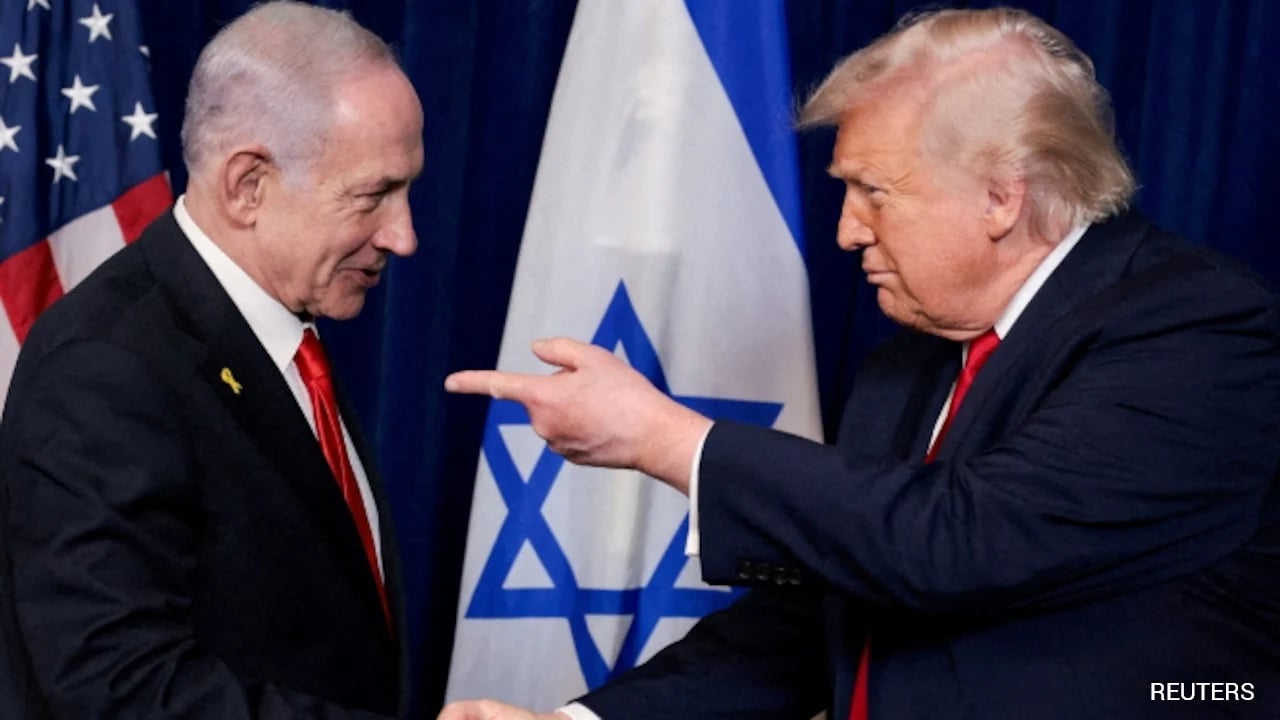
Returning to Washington after watching the World Cup final, President Donald Trump made the administration's stance clear. The US military is hitting Iran "very hard". According to Trump, these latest strikes serve a specific purpose. They honor the American service members killed in recent days.
"We hit them very hard again tonight, and we did that in honor of the, probably three, it's probably three great patriots," Trump told reporters at Joint Base Andrews. He emphasized that those who died were fighting a vital battle. They were making sure Tehran never acquires a nuclear weapon.
But behind the rhetoric lies a stark reality. A preliminary ceasefire has already collapsed. The strategic waterway of the Strait of Hormuz is turning into a graveyard for commercial shipping. The US is no longer trying to manage the Iranian threat. The administration wants to end it.
The Nine Night Blitz and the Fall of the Ceasefire
Washington tried diplomacy, or at least a brief simulation of it. A preliminary pact aimed at halting the sudden eruption of violence fell apart almost immediately. Once that fragile agreement turned to dust, the conflict surged into fifth gear.
US Central Command finished its ninth consecutive night of intense air campaigns over the weekend. This isn't a symbolic display of force. American forces targeted Iranian military command centers, air defense infrastructure, coastal surveillance sites, and missile launch facilities. The goal is to systematically strip away the Islamic Revolutionary Guard Corps' power to project force in the region.
The human cost triggered this massive escalation. The American military suffered its first direct fatalities since open hostilities commenced in the region. Two US troops were killed and a third went missing during a brutal drone and ballistic missile attack inside Jordan. Shortly after, CENTCOM confirmed another American service member died in northern Iraq during an operation involving a downed Iranian drone.
For Trump, the calculus changed when American blood spilled on the ground. The administration moved from defensive posturing to punishing retaliation. The president made it plain that the US now controls the narrative, or at least intends to. He claimed the US controls the Strait of Hormuz while Iran controls nothing. That claim is currently being tested in the most volatile way possible.
Choking the Strait of Hormuz
If you want to understand where this war will be won or lost, look at the water. The Strait of Hormuz handles a massive chunk of the world's daily oil transit. Right now, it's a war zone.
The IRGC isn't taking the American strikes lying down. Tehran claims its forces successfully targeted and blew up two oil tankers attempting to navigate the southern strait under American pressure. Tankers are burning. Commercial vessels are running a terrifying gauntlet.
The US military has been actively forcing a blockade. American naval forces redirected six commercial ships and completely disabled another to force full compliance with security protocols. The British military reported ships catching fire near the coast of Oman. Oman used to be the safe route. It's not safe anymore.
The economic fallout of a prolonged blockade here is terrifying. Energy markets hate instability. If the IRGC keeps successfully hitting tankers, global oil prices will spike. Trump knows this. His response has been to double down on military superiority rather than backing away to appease the markets.
The Darkhovin Nuclear Target
One of the most alarming details of this campaign involves a specific target in southwestern Iran. Iranian state television reported that American missiles struck the construction site of the Darkhovin nuclear power plant.
Satellite data from Planet Labs PBC showed that the site only had basic earth clearing done recently. The International Atomic Energy Agency confirmed the facility was in its absolute infancy and held no actual nuclear material. Yet, the US hit it anyway.
This sends a clear message to Tehran. The US is treating Iran's nuclear ambitions as an immediate military problem, not a future diplomatic dispute. Trump tied the deaths of the American soldiers directly to this issue, stating they died so that Iran cannot get a nuke. By bombing even an empty construction site, Washington is telling Iran that every single piece of its nuclear infrastructure is on the target list.
A Fragmented Regional Front
This war isn't staying inside Iran's borders. The entire region is vibrating with tension as neighboring countries get dragged into the crossfire.
- Jordan: The kingdom's air defenses have been working overtime, knocking down incoming Iranian missiles and drones flying over its territory.
- Kuwait and Bahrain: Iran launched retaliatory missile strikes against two US military installations in Kuwait. Meanwhile, the US Embassy in Bahrain had to issue urgent warnings about potential Iranian attacks in the heart of its capital, Manama.
- Syria: The IRGC claimed a surprise attack against the US special operations command center at al-Tanf. They called it payback for American strikes that killed Iranian conscript soldiers near Iranshahr.
This regional spread shows the weakness of the old containment strategy. Iran built its network of proxies over decades specifically for a moment like this. Now that Washington is hitting the head of the snake directly, the entire proxy network is striking back simultaneously.
Strategic Shifts and Secret Diplomatic Tracks
You might look at nine straight nights of bombing and think diplomacy is completely dead. That's not entirely true. Even as Tomahawks fly, the political operators are talking.
Secretary of State Marco Rubio noted that the United States remains open to a diplomatic solution. It sounds contradictory. How can you look for peace while executing a massive bombing campaign?
It's about leverage. The Trump administration is using maximum military force to force Tehran into a corner where they have no choice but to sign a deeply unfavorable deal. Rubio points out that Iran wants to use the Strait of Hormuz to hold the world hostage. The US strategy is to break that hold entirely before sitting down at any negotiating table.
Trump is abandoning the old policy of strategic patience. He explicitly stated that the US is no longer content to just stop Iran from gaining certain capabilities. They want to end the matter completely.
What Happens Right Now
This situation moves fast. If you're watching this conflict develop, these are the critical indicators to track over the next forty-eight hours.
First, watch the shipping insurance rates in the Persian Gulf. If commercial fleets stop entering the Strait of Hormuz entirely, the economic pressure on Western nations will intensify rapidly. Trump will face immense pressure to either finish the job or find a way to secure the waters.
Second, monitor the status of the missing American service member in Jordan. The military is currently examining unidentified remains found near the crash site. If confirmation comes through, expect another massive wave of retaliatory strikes.
Finally, look for signs of domestic unrest inside Iran. The US strikes are intentionally targeting the IRGC's command networks. If the regime's internal security apparatus begins to fracture under the weight of these attacks, the conflict could shift from an external war to an internal crisis for Tehran.
The US has drawn its line in the sand. Trump is betting everything that sheer military dominance can rewrite the geopolitical realities of West Asia. We'll find out very soon if he's right.