You can buy a home on occupied Palestinian land from the comfort of a north London suburb. It sounds like an exaggeration, but it happened. On June 14, 2026, the Edgware United Synagogue hosted the Great Israeli Real Estate Event. The invitation-only property exhibition drew over 1,000 shouting protesters, resulted in 14 police arrests, and sparked a furious debate inside Parliament.
Before the first attendee walked through the metal detectors, organizers flatly denied that any property outside the Green Line—the internationally recognized border between Israel and the occupied territories—was up for grabs. They insisted everything on offer sat safely within Israel proper. The Board of Deputies of British Jews backed them up, blasting the protests as harassment built on false pretences.
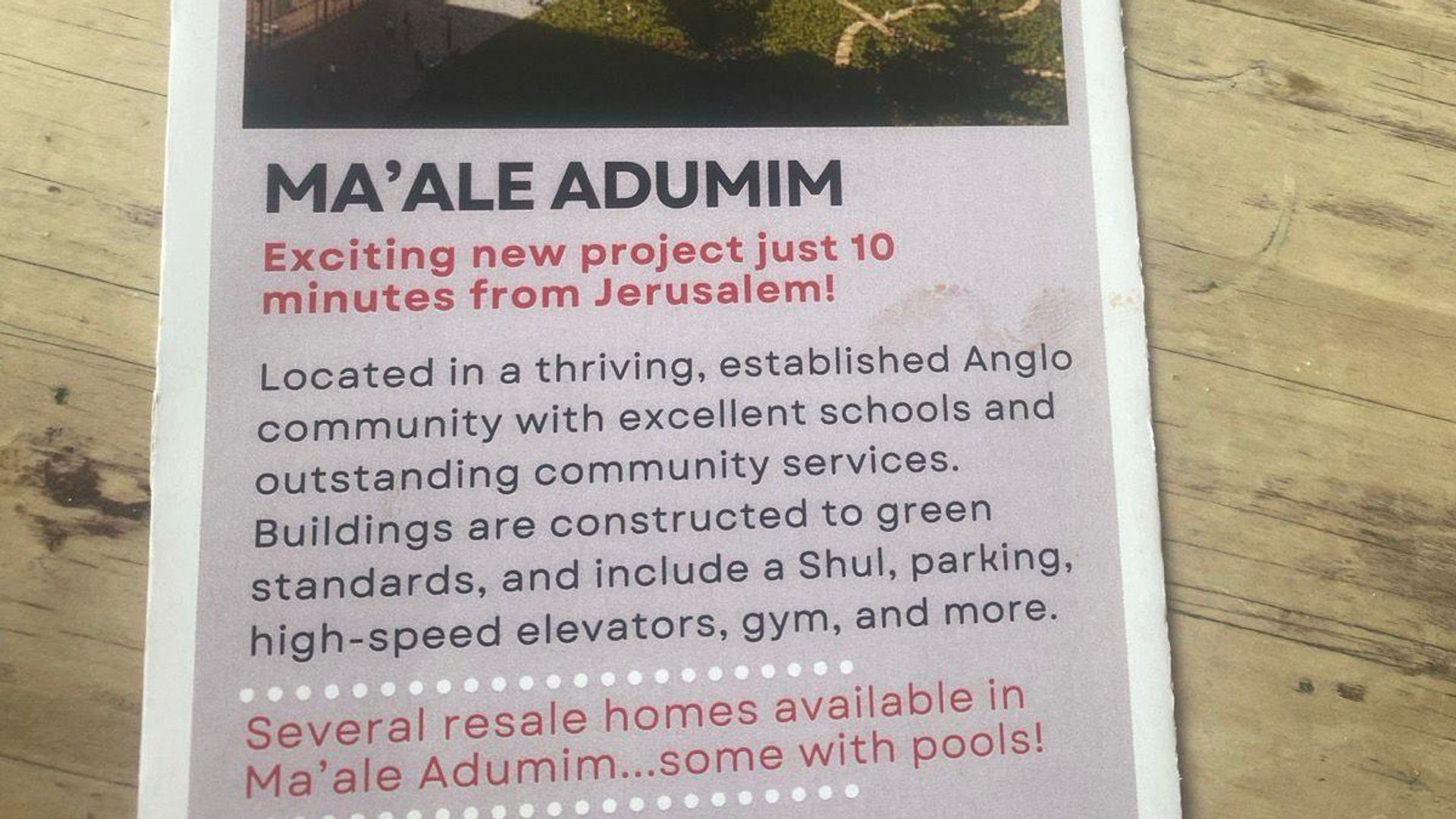
But the paperwork tells a different story. Undercover activists from Jewish Anti-Zionist Action managed to get past security. The physical brochures they pulled from the exhibition tables show that occupied land in the West Bank and East Jerusalem was absolutely part of the sales pitch.
The Paper Trail the Organizers Denied
Organizers told journalists that every single exhibitor, without exception, was sticking strictly to properties within the internationally accepted borders of Israel. It was a clean public relations line. It just wasn't true.
Brochures collected inside the event show developers actively hawking real estate built on occupied territory. One prominent pamphlet from Harry Zahev Developers explicitly marketed apartments and private villas in Kfar Eldad and Teneh Omarim. These are illegal Israeli settlements carved into the West Bank, positioned right next to displaced Palestinian communities. The brochure pitched these homes with the idyllic line, "bringing gardens and spaces where nature is your closest neighbour."
Another firm, Jerusalem Real Estate, handed out materials offering properties in what they labeled "the city's most sought-after Anglo neighborhoods." Those neighborhoods included French Hill and Ramat Eshkol, both of which sit on occupied land in East Jerusalem. Other marketing packets detailed housing opportunities in major West Bank settlements like Ma'ale Adumim and Givat Ze'ev, alongside Givat Hamatos, a highly controversial settlement zone actively under construction.
An activist who gained entry to the exhibition noted that while some representatives kept their West Bank booklets stashed slightly out of sight because police warned them against promoting internationally illegal sales, the documentation was fully present and ready for interested buyers.
High Tension and Arrests in Edgware
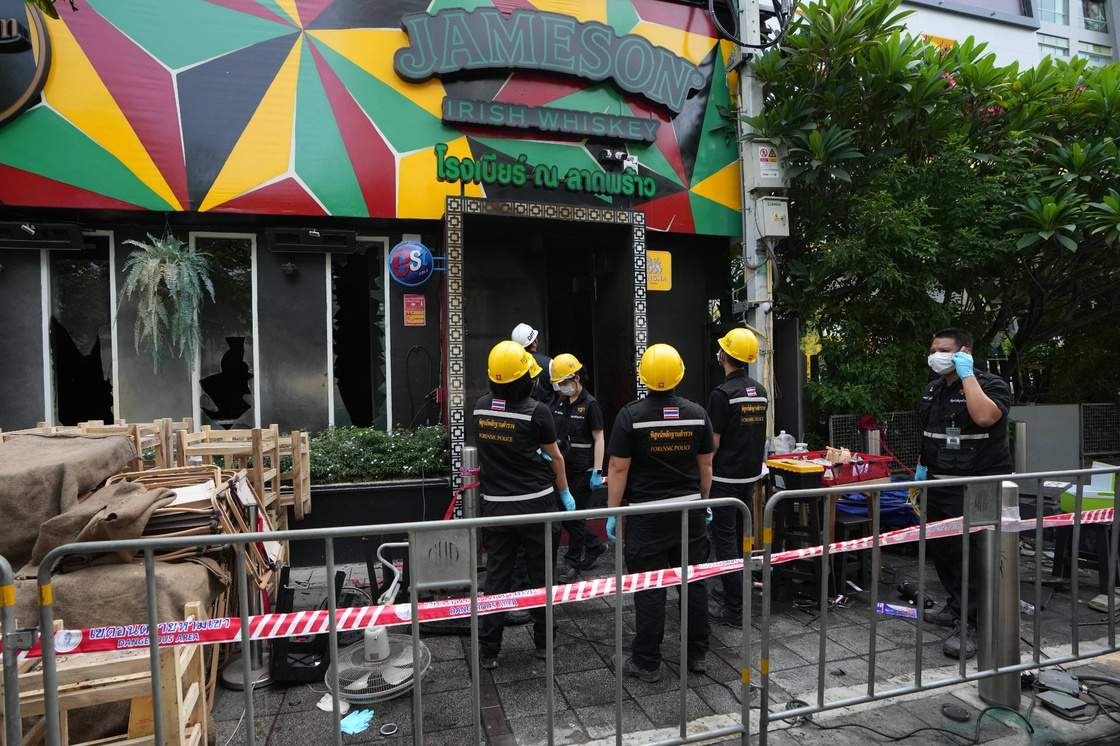
The exhibition turned a quiet residential pocket of London into a chaotic flashpoint. Roughly 1,000 people squared off outside the synagogue. Barricades and lines of Metropolitan Police officers struggled to keep pro-Palestinian activists and pro-Israel counter-protesters apart.
Shouting matches quickly deteriorated into physical scuffles. The Met Police ultimately arrested 14 individuals as the crowd surged against the police lines. According to Scotland Yard, five people faced charges of violent disorder, with one accused of assaulting a police officer. Seven other arrests involved public order offenses, four of which the police officially flagged as racially or religiously aggravated.
For the local Jewish community, the scene outside the synagogue felt deeply threatening. Met Police Commander Adam Slonecki noted that his team deployed under the weight of heightened community fear, following two and a half years of continuous protests and a recent rash of arson attacks targeting Jewish institutions in the UK. The Board of Deputies argued that holding aggressive protests outside a place of worship amounted to pure intimidation.
Protesters countered that the choice of venue shouldn't shield a commercial enterprise from scrutiny. They argued that using a religious community center to facilitate the sale of disputed land was a deliberate strategy to normalize annexation.
The Government Words That Don't Match the Reality
The property show went ahead despite an organized political campaign to stop it. More than 100 British lawmakers, including Labour MPs Andy McDonald and Debbie Abrahams, signed a joint letter to Foreign Secretary Yvette Cooper demanding the government intervene. The parliamentarians warned that allowing the roadshow to proceed stood in direct opposition to the UK’s legal obligations under international law.
In the days leading up to the exhibition, Yvette Cooper stated in Parliament that the government was pursuing the event and would act on any breaches of UK law, adding that "nobody in the UK should be advertising illegal settlements." London Mayor Sadiq Khan also weighed in, stating he had asked the Metropolitan Police to investigate any allegations of criminal property sales.
Yet, despite the public hand-wringing from top officials, the doors opened anyway. Human rights groups point out a massive contradiction in British foreign policy. The UK government routinely issues statements condemning West Bank settlement expansion and has even leveled sanctions against radical settler financing networks. But when a commercial entity shows up in London to sell the physical real estate resulting from that expansion, official enforcement stalls out.
The loophole is a lack of hard domestic legislation. While the United Nations Security Council and the International Court of Justice have declared these settlements illegal, the UK currently lacks a comprehensive, watertight ban on the domestic trade and marketing of settlement goods and real estate.
What This Means for UK Property Buyers
For the average UK citizen or dual national looking to buy into these events, the legal terrain is treacherous. Under international frameworks like the Fourth Geneva Convention, these settlements are unlawful. While buyers are unlikely to face immediate criminal prosecution in a British court, purchasing these properties carries significant long-term risks.
- Title Insecurity: Real estate purchased in occupied territories lacks universally recognized land titles. Future geopolitical shifts or international court rulings could render the purchase worthless or legally void.
- Financial Exposure: Major UK banks and international financial institutions are increasingly tightening compliance rules regarding funds linked to occupied territories. Buyers risk having assets flagged or facing severe restrictions on moving capital.
- Sanctions Expansion: As western governments face mounting pressure over the West Bank, the scope of individual and corporate sanctions is expanding rapidly. Getting tied to developers operating in Area C or East Jerusalem introduces acute regulatory vulnerabilities.
If you want to ensure your investments align with international law and avoid systemic financial risk, you need to look past glossy event brochures. Do not rely on organizers to verify the legal status of a project's location. Demand exact geographical coordinates, cross-reference properties against the internationally recognized 1967 Green Line, and independent legal counsel must vet the underlying land registry before any money changes hands.