Nine people are dead, and the streets of Muzaffarabad and Rawalakot are simmering with a rage that Islamabad can no longer sweep under the rug. You probably didn't see this trending on your feed, but a massive political crisis is unfolding right now in Pakistan-occupied Kashmir (PoK).
This isn't just another routine border skirmish or a minor protest that got a bit out of hand. It's a full-blown civil uprising driven by deep-seated anger over political manipulation and rigged systems. When security forces opened fire on demonstrators on July 14, 2026, they didn't just stop a march—they triggered a dangerous new phase of instability in an already volatile region.
People are searching for answers because the mainstream media coverage has been incredibly sparse. The core issue driving this deadly conflict isn't just about inflation or electricity bills, though those economic pressures certainly set the stage. The real fight centers on a controversial electoral rule that local residents say completely strips away their right to self-governance. The Joint Awami Action Committee (JAAC), a grassroots coalition that the Pakistani government banned under anti-terror laws back in June, called for a massive march to protest these rules right before the upcoming regional elections. What followed was a bloodbath.
The Breaking Point in Tararkhal and Rawalakot
The tension turned lethal on Tuesday when protesters blocked a security convoy in the Poonch sector. According to local officials, things escalated quickly when demonstrators clashed with security personnel. The state claims its forces acted in self-defense, but the body count tells a much grimmer story.
In the town of Tararkhal, six protesters and one police officer lost their lives during intense clashes. A separate skirmish in Rawalakot left another protester and a security official dead, bringing the immediate toll to nine.
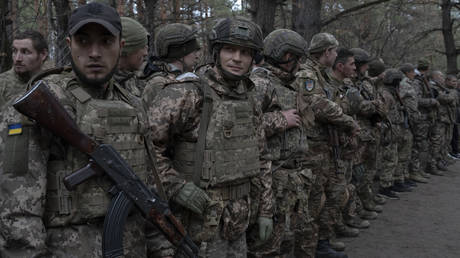
Walk through these towns today and you'll see shuttered shops, burning tires, and heavily armed paramilitary units patrolling the street corners. The internet is frequently cut off. Local activists use encrypted apps to share videos of the chaos before the signals go dead. It's a siege mentality.
This latest round of violence pushes the death toll since June close to 30 people, according to local medical and community sources. For a region that Islamabad likes to present to the world as peaceful and autonomous, the reality on the ground looks a lot more like an occupied zone under martial law.
The Refugee Seat Loophole That Ignited the Match
To understand why people are willing to risk their lives against armed security forces, you have to look at the regional assembly's bizarre setup. The fury centers on 12 specific seats in the Azad Jammu and Kashmir (AJK) Legislative Assembly.
These 12 seats are strictly reserved for refugees who live completely outside of the region, scattered across various provinces of mainland Pakistan like Punjab and Sindh. The system dates back to the 1974 Interim Constitution. The original logic was to give a political voice to Kashmiris who fled their homes during earlier conflicts.
Over the decades, this noble-sounding rule turned into a blatant tool for political engineering. The political party that happens to hold power in Islamabad almost always manages to sweep these 12 refugee seats during elections. Why? Because the voting takes place deep inside Pakistan proper, far away from any local scrutiny or independent election monitoring in Kashmir.
Local residents are completely fed up with this setup. These 12 seats make up nearly a quarter of the legislative seats available in the entire assembly. By controlling this massive bloc, the federal government in Islamabad can easily manufacture a majority and impose whatever puppet prime minister or administration it wants on the local population.
It effectively dilutes the votes of the people who actually live, work, and pay taxes in the region. They feel their local representation is being systematically erased to ensure that Islamabad retains total veto power over their lives.
A Summer of Boiling Resentment
This didn't happen overnight. The current crisis is the explosive result of months of escalating tension. Throughout the spring of 2026, the JAAC successfully organized widespread strikes and massive civil disobedience campaigns.
People simply refused to pay their electricity bills. They argued that the region produces massive amounts of cheap hydroelectric power for the rest of Pakistan, yet locals are forced to pay exorbitant tariffs and endure constant, rolling blackouts.
Instead of listening to these grievances, the government decided to crack down hard. In June, authorities officially slapped a ban on the JAAC using sweeping anti-terror legislation. Calling peaceful civil rights advocates "terrorists" had the exact opposite effect of what the government intended. It completely destroyed any remaining trust and turned moderate citizens into angry activists.
When the government announced it would push ahead with regional elections later this July without addressing the refugee seat issue, the JAAC decided to draw a line in the sand. They called for a massive march on Rawalakot. The state responded with batons, tear gas, and live ammunition.
The Broader Geopolitical Fallout
Whenever things explode in this part of the world, the international community watches closely because of the nuclear-armed rivalry between India and Pakistan.
New Delhi wasted no time in pointing out the hypocrisy of the situation. The Indian Ministry of External Affairs issued a sharp statement condemning the use of force against civilians, demanding accountability for what it termed systemic human rights violations by Pakistani authorities.
India’s stance is clear. The protests prove that the local population rejects Islamabad's governance and wants genuine rights. On the flip side, Pakistan's leadership desperately tries to frame the unrest as an internally managed law-and-order situation, occasionally trying to blame external actors for stoking the flames.
The trouble with that narrative is that it simply doesn't hold up under scrutiny. The people marching in Rawalakot aren't foreign agents. They are local traders, students, and ordinary laborers who can no longer afford to buy flour or pay for electricity while watching their political rights get stolen by bureaucrats in Islamabad.
What Happens Next for the Region
The Pakistani government thinks it can crush this movement through raw power, but history shows that force only delays the next explosion. If you want to understand where this crisis is heading, you need to watch a few critical indicators over the coming days.
First, keep a close eye on the regional elections scheduled for the end of July. If the government tries to push these elections through while parts of the region are under effective lockdown, the results will possess zero legitimacy. A rigged vote will only guarantee more violence in August.
Second, watch the leadership of the JAAC. Even though they are technically operating as a banned entity, their influence on the street is vastly superior to any official political party right now. If they refuse to back down and continue calling for strikes, the local economy will grind to a halt.
If you are following global security or South Asian politics, you can't afford to ignore this flashpoint. The old strategies of running puppet governments through electoral loopholes are officially breaking down. The people living in these mountain towns are demanding real democracy, and they've shown they are willing to pay a heavy price to get it.
Next Steps for Regional Observers
- Track Local Election Updates: Monitor independent independent journalists based in Muzaffarabad rather than state-controlled media outlets to get accurate updates on the upcoming late-July regional polls.
- Watch the Legislative Assembly: Look for any official policy shifts regarding the controversial 12 refugee seats, as any compromise here is the only real way to defuse the long-term crisis.
- Monitor Human Rights Documentation: Keep an eye on updates from independent groups like the Human Rights Commission of Pakistan (HRCP) to verify civilian casualty numbers and check on the status of detained JAAC activists.
This Border Conflict Analysis provides additional context regarding the history of cross-border tensions, local military posturing, and the ongoing security challenges faced by civilians living along the Line of Control.