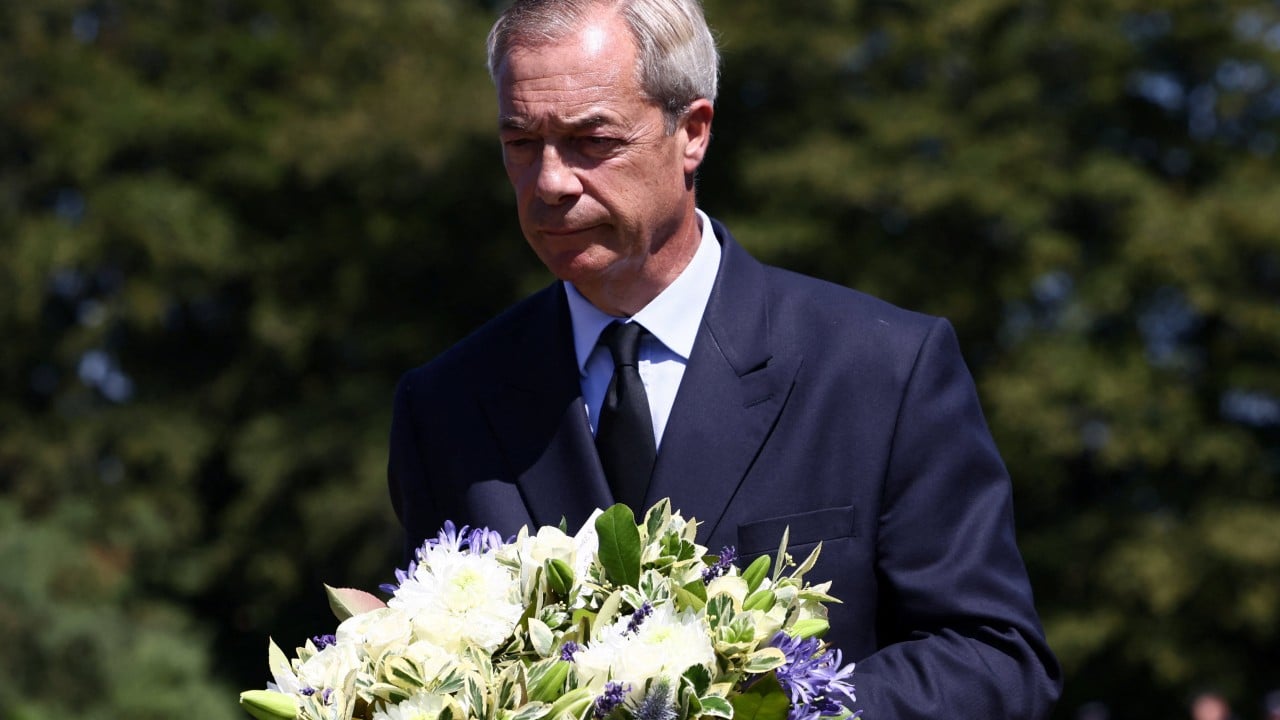
You can hate Nigel Farage all you want, but you cannot ignore the chilling reality of what just happened in London.
On July 14, 2026, the Metropolitan Police arrested a south London man in his 20s. His crime? Posting a message on X back in May that read: "I am going to shoot you in the head if you win."
It's tempting to brush this off as online keyboard-warrior bravado. It isn't. This arrest happened under a very dark cloud. Just one week earlier, on July 8, 2026, former MP and Reform UK spokesperson Ann Widdecombe was murdered at her home in Devon. What started as local police dismissing the attack as "not politically motivated" has now been taken over by counterterrorism officers.
British politics has crossed a dangerous threshold. Online abuse is no longer just a toxic byproduct of the internet; it has become a direct precursor to physical violence.
The Boiling Point of British Political Violence
We've seen this movie before, and the ending is always tragic.
Think back to Jo Cox in 2016, murdered by a far-right extremist. Remember David Amess in 2021, stabbed to death by an Islamic State sympathizer. Now, Ann Widdecombe. It is a terrifying list, and outgoing Prime Minister Keir Starmer hit the nail on the head when he called it "chilling" that three serving or former MPs have been killed during his relatively short time in Parliament.
The threat to Farage isn't an isolated incident. The timeline of this arrest shows exactly how sluggish the system has been:
- May 7, 2026: Local elections take place, and Reform UK secures massive gains.
- May 8, 2026: The suspect posts the death threat on X. Parliamentary authorities flag it to the police.
- May to July 2026: Police wade through bureaucracy, requesting identity data from the social media platform.
- July 8, 2026: Ann Widdecombe is murdered.
- July 14, 2026: Police finally arrest the suspect in south London.
Farage didn't mince words about this delay. He pointed out that this is the first time the police have proactively acted on a social media threat against him, despite receiving "three or four hundred similar posts" this year alone. He's right to be angry. For years, politicians have been told these threats "don't meet the threshold" for prosecution.
That excuse no longer works.
Why Social Media Platforms Face a Reckoning
The delay in arresting this suspect highlights a massive structural flaw. The Metropolitan Police had to submit formal applications to X just to get the user's contact information. It took over two months to get basic data to make an arrest.
If someone threatens to shoot a public figure in the head, why does it take weeks of red tape to find out who they are?
The police are constantly playing catch-up. Reform UK's home affairs spokesperson, Zia Yusuf, noted an "overwhelming sense of fear" among the party's MPs. Security has been tightened, but the underlying machinery of online radicalization remains completely unchecked.
The Security Dilemma and the Cryptocurrency Scandal
This climate of fear explains—but perhaps doesn't entirely excuse—Farage's recent political mess.
Just weeks ago, Farage resigned his parliamentary seat. The reason? A massive watchdog investigation into an undeclared £5 million ($6.7 million) gift from an overseas cryptocurrency billionaire. Farage's defense was simple: he used the money to pay for his private security.
His opponents called it a convenient ploy to dodge parliamentary scrutiny. Now, he's trigger-happy for a June 2027 re-election bid to the same seat to prove his mandate.
While the optics of a multi-million-pound secret crypto gift are terrible, the underlying motivation highlights a harsh truth: British politicians don't feel safe, and the state-provided security apparatus is failing them. If an MP feels they need to secure millions in private funding just to stay alive, the system is fundamentally broken.
What Happens Next
The era of the accessible British politician—the local surgery, the unvetted town hall meeting, the walkabouts—is ending.
If you want to see where this goes, watch these developments closely:
- Counterterrorism investigations: Keep an eye on the prosecution of the 28-year-old suspect in the Widdecombe murder case. If left-wing political motives are confirmed, it will completely shift the narrative around domestic extremism in the UK.
- Pressure on social media giants: Expect the UK government to demand faster turnaround times for police requests regarding violent threats. The current two-month delay is a safety hazard.
- Reform UK's security push: Watch how Farage's upcoming by-election campaign is handled. The police have set a precedent by acting on this threat; they will now be forced to monitor and act on the hundreds of other threats Farage claims to receive.