You finally saw some relief at the pump, and now it's gone. After a brief three-week summer ceasefire that managed to drag the US national average for a gallon of gas down to $3.80, the truce has completely shattered. Donald Trump declared the temporary peace "over" following a fresh wave of military strikes, and the immediate consequence is hitting your wallet.
If you are wondering why a conflict thousands of miles away dictates the cost of your morning commute, the answer lies in a narrow, volatile chokepoint: the Strait of Hormuz. When the US and Iran trade blows, this vital waterway gets constricted. The mathematics of global energy are brutally simple. Less oil moving through the strait means higher prices for crude, which translates directly to a costlier fill-up for you.
The Shortest Distance to Expensive Gasoline
The national average for regular gas jumped to $3.88 a gallon, according to recent AAA data. Diesel has spiked even worse, breaching the $5 mark. This isn't just a minor blip. Before the outbreak of hostilities in late February, Americans were paying an average of $2.98 a gallon.
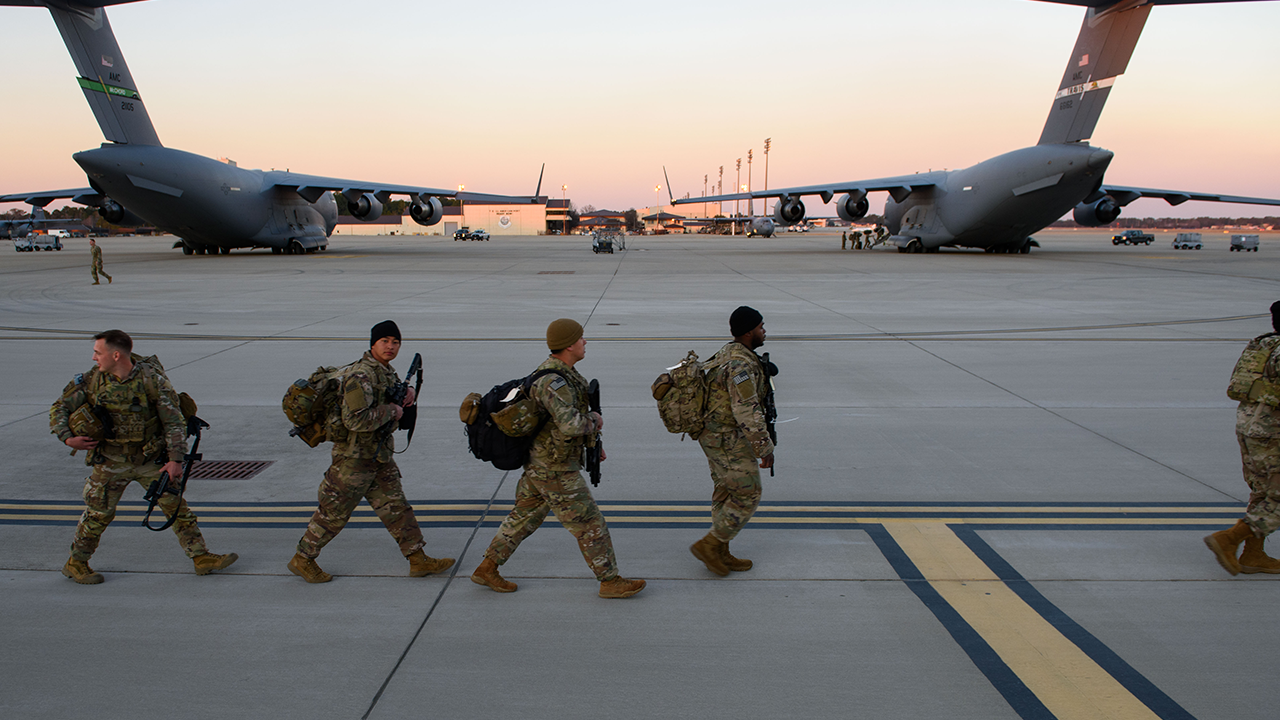
Here is why the situation escalated so dramatically. Over the weekend, the US launched targeted airstrikes to degrade Iranian forces, prompting immediate retaliation from Tehran. Following the exchange, the White House announced a total blockade on shipping to and from Iranian ports. The administration even floated a plan to charge a 20% transit fee on commercial cargo passing through the region to cover American security costs.
Iran responded by claiming total control over the waterway, using its Revolutionary Guard navy to halt commercial vessels by forcibly shutting down their tracking systems. The shipping data tells the story. Only six vessels crossed the strait on a single Sunday following the strikes—the lowest traffic volume in over a month.
The Logistics Behind the Pump Shock
Energy markets don't run on logic; they run on fear and logistics. When the Strait of Hormuz gets choked off, one-fifth of the world’s petroleum supply goes into limbo.
- The Supply Squeeze: Global oil inventories were already thin. When tankers avoid the Persian Gulf, the physical supply of crude available to refineries drops.
- The Diesel Domino Effect: Diesel fuel powers the semi-trucks, trains, and cargo ships that deliver groceries and consumer goods. A spike in diesel translates into higher prices for everything on retail shelves within weeks.
- The Refiner Premium: Summer travel season already forces refiners to produce a costlier blend of gasoline designed to curb smog. Layering a Middle Eastern military escalation on top of seasonal demand creates a perfect storm for price spikes.
The reality on the ground is stark. Researchers at Brown University estimate that the ongoing conflict has already cost the average American household roughly $401 in extra fuel expenses. Even if Washington and Tehran patch together another fragile diplomatic agreement tomorrow, the damage to the supply chain is done.
Why a Peace Deal Won't Fix Your Wallet Immediately
Many drivers assume that a ceasefire announcement will immediately bring back $3 gasoline. That is a fundamental misunderstanding of how the energy grid operates.
Expert analysis from retail price trackers like GasBuddy indicates that while crude oil prices drop fast on peaceful news, retail gasoline prices take the stairs down. It takes weeks for production facilities to restart, for nervous insurance companies to lower premiums on shipping vessels, and for tankers to physically navigate out of the Gulf to replenish global stockpiles.
Furthermore, structural damage from earlier spring conflicts—like the hit to Qatar's Ras Laffan LNG infrastructure—will take years to fully repair. We are looking at a fundamentally altered energy landscape where volatility is the default setting.
How to Protect Your Wallet Right Now
You can't control geopolitical friction or military strategy in the Persian Gulf, but you can alter how you buy fuel.
First, abandon the habit of pulling into the nearest station out of convenience. Price spreads between competing gas stations in the same neighborhood can vary by as much as 20 to 30 cents per gallon during high-volatility weeks. Use tracking apps to map out your routes based on cost.
Second, maximize loyalty programs and fuel rewards tied to grocery store chains. Combining these discounts with a dedicated cash-back credit card for fuel purchases can effectively blunt the recent price hikes, saving you up to 15 to 25 cents per gallon.
Finally, audit your driving habits. Aggressive acceleration and maintaining speeds over 60 mph drastically reduce fuel economy. Small adjustments to your daily commute won't lower global crude indexes, but they will keep more money in your pocket while the US and Iran sort out their differences.