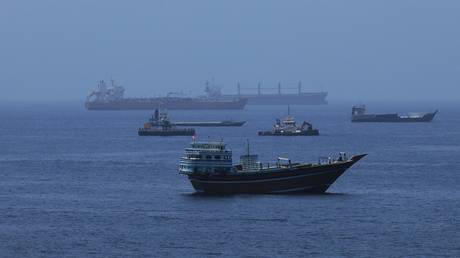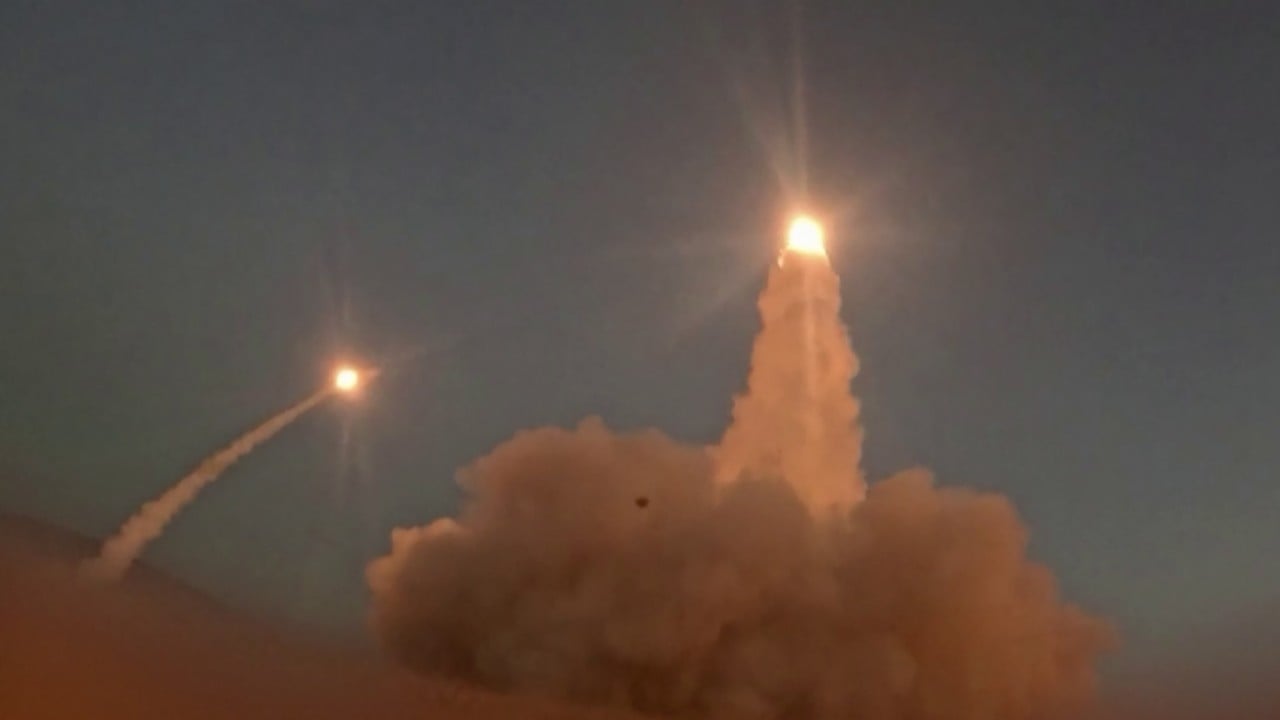
Donald Trump says he isn't afraid of anything. When reporters asked him if the current military intervention in Iran is turning into a modern-day Vietnam quagmire, he shrugged it off with his usual bravado. "We were in Vietnam for 19 years, we've been here for four months," Trump bragged, listing off percentages of destroyed Iranian drones and missile sites as if warfare were a simple corporate balance sheet.
But counting smashed boats and broken radars is the exact wrong metric. History proves that destroying physical infrastructure doesn't automatically break a nation's political will. Right now, the White House is stuck in a dangerous loop: launching massive airstrikes to force a diplomatic settlement, discovering the enemy won't budge, and realizing that stopping the war is much harder than starting it.
This isn't a quick surgical operation anymore. It's a full-blown quagmire.
The Mirage of Winning from the Air
The administration apparently believed that relentless air power would either collapse the Islamic Republic or force its leaders to beg for peace. It hasn't worked. Historically, using military force to compel a sovereign nation to alter its core behavior succeeds only about 35 percent of the time. Instead of backing down, Tehran has dug in its heels.
Every time a ceasefire deal seems close, the illusions shatter. Trump claims a breakthrough is imminent, oil markets dip, and then the reality of unresolved issues hits the fan. The future of Iran's nuclear program, the status of its remaining missile stockpiles, and control over the vital Strait of Hormuz cannot be solved by dropping more bombs.
The Mounting Bill and the Ghost of Da Nang
You can't ignore the staggering economic reality of this conflict. New financial analyses reveal that the United States has already burned through more than $100 billion in direct military costs over just four months. The Pentagon tried to tell Congress the monthly bill was around $25 billion, but those numbers conveniently left out the massive costs of repairing heavily damaged U.S. bases in the Gulf and replacing expensive assets destroyed by Iranian drone strikes.
Worse, the threat of escalation is shifting from the air to the ground. With thousands of Marines and paratroopers from the 82nd Airborne deployed to the Persian Gulf, the tactical situation looks eerily like the opening chapters of the Vietnam War. If these ground forces are utilized, they'll likely be ordered to seize militarized Iranian outposts like Kharg Island—the main pipeline terminal responsible for 90 percent of Iran's oil exports.
Hawks in Washington claim taking the island would end the war easily. They're dreaming. Holding a hostile island requires a long-term, high-risk military occupation.
The American public sees the writing on the wall. Polls show that a staggering 62 percent of Americans oppose sending ground troops into this conflict. Trump's war approval ratings are sliding fast as the initial rush of an air campaign drags out into a grinding, indefinite naval blockade.
Stripped of Leverage and Allies
The long-term fallout extends far beyond the borders of the Middle East. By pursuing this aggressive campaign without a clear, realistic end state, the administration has comprehensively alienated historic European allies.
Even the Gulf monarchies, who long relied on Washington as the ultimate guarantor of regional security, are realizing that American intervention has fundamentally shattered the equilibrium of the Persian Gulf. Instead of projecting absolute strength, this war has exposed vulnerabilities in U.S. logistics and base defenses that global adversaries are closely watching.
You cannot run foreign policy like an improvisational theater act. Zigzagging between apocalyptic threats of total annihilation and sudden proclamations of impending peace deals leaves the U.S. with zero credibility at the negotiating table.
What Needs to Happen Next
Walking away and declaring a hollow victory won't fix the damage. Resolving this crisis requires abandoning the delusion of total regime collapse from the air.
- Shift to Realist Diplomacy: Washington must pivot away from maximalist demands and pursue a settlement that protects core international shipping lanes while acknowledging Iran's regional presence.
- Congressional Oversight: Congress needs to stop rubber-stamping massive supplemental funding requests without demanding strict documentation on true operational costs and a defined exit strategy.
- Rebuild Alliances: De-escalating the crisis in the Strait of Hormuz requires multilateral diplomacy involving European and regional partners, rather than unilateral, unpredictable military maneuvers.
The white flag of a clean, Hollywood-style ending isn't coming. If the administration keeps relying on bravado instead of baseline strategy, the Persian Gulf will remain a costly, bloody trap for years to come.